Thinking about updating a classic Old Enfield home and wondering how to keep its charm intact? You’re not alone. Renovating in a historic neighborhood can feel like a tightrope: you want modern comfort, but you don’t want to lose what makes the house special. This guide gives you clear steps on approvals, design choices buyers love, realistic timelines, and budget planning tailored to Old Enfield. Let’s dive in.
Know the rules in Old Enfield
Old Enfield includes many early to mid-20th-century homes with bungalow, cottage, Tudor Revival, and other Period Revival influences. Mature trees, sidewalks, and consistent setbacks are part of the visual rhythm that buyers expect. Because of this, exterior changes can be regulated depending on your property’s status.
Which properties are regulated?
- Local historic overlays or landmarks: Exterior work typically requires a Certificate of Appropriateness through the City of Austin Historic Preservation Office.
- National Register listings: Recognition alone does not restrict work unless federal funds or permits are involved.
- Not every home is designated the same way. Verify your parcel’s status before you plan scope or timelines.
Who reviews your plans?
- City of Austin Historic Preservation Office staff review: Some projects can be approved administratively.
- Historic Landmark Commission: Larger or more visible projects may go to a public hearing.
- Building permits: Separate from historic review. Additions, structural changes, and major repairs need standard permits after historic approvals.
Do incentives apply?
- Federal Historic Rehabilitation Tax Credits typically apply to income-producing properties that complete a certified rehabilitation. Most owner-occupied single-family homes do not qualify.
- Local incentives or property tax programs vary. Check with the City of Austin and county appraisal office to see what is available.
Bottom line: contact the City of Austin Historic Preservation Office early, and check with the Old Enfield neighborhood association for community expectations. Early clarity avoids redesigns and delays.
Protect character features
Preserving character does not mean freezing your home in time. It means keeping the pieces that define its style while you update systems and spaces.
Exterior elements to respect
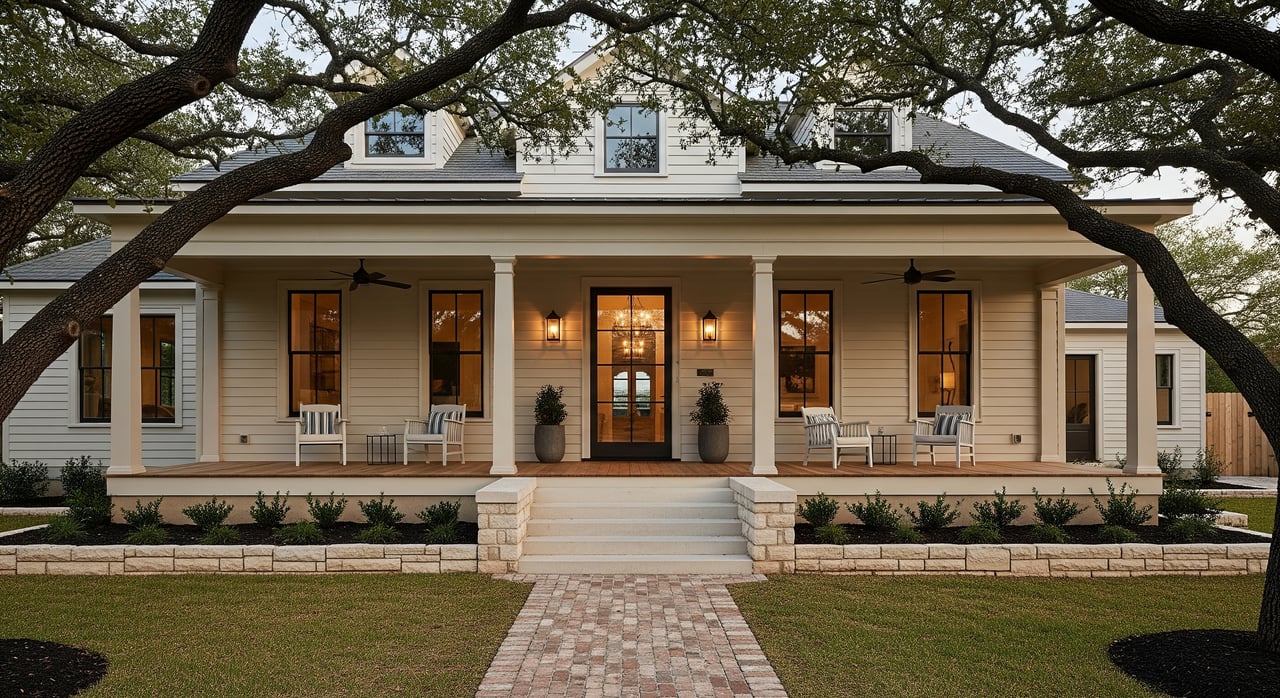
- Front porches and supports: Keep porch depth, tapered wood columns or brick piers, and balustrades.
- Roof forms and pitch: Maintain gable or hip roofs, modest eaves, and exposed rafter tails.
- Windows: Prioritize repair of original double-hung wood sash and multi-light patterns.
- Siding and masonry: Patch wood siding or shingles with matching profiles and retain brick foundations and chimneys.
- Doors and trim: Preserve original entry doors, transoms, sidelights, hardware, and decorative trim.
- Site features: Protect mature trees, low stone or brick walls, sidewalks, and side or alley driveways.
Interiors buyers value
Interior features are rarely regulated, but they matter for resale.
- Built-ins, original wood floors, mouldings, fireplace surrounds, and stair details are prized.
- Keep focal rooms and circulation patterns where possible, then rework kitchens and baths for modern function.
The golden rule
Adopt a repair rather than replace mindset. When replacement is unavoidable, use in-kind materials or closely compatible alternatives that match scale and profiles.
Design with respect
Follow the Secretary of the Interior’s Standards: new work should be compatible and clearly of its time, yet visually subordinate to original fabric. Reversibility is a plus.
Additions and massing
- Place additions at the rear or a set-back side location so the original façade remains dominant.
- Align roof pitch, wall heights, and window rhythms to harmonize without overpowering the historic structure.
Windows and doors
- Repair wood windows when possible. Consider interior or exterior storm panels for efficiency while keeping original sash.
- If replacement is necessary, choose wood or wood-clad units that match sightlines and divided-light patterns. Avoid vinyl on primary façades.
Porches and trim
- Retain porch floors, supports, and rails. Replace deteriorated elements in kind with matching profiles.
Siding and materials
- Patch and piece-in siding with matching reveal and texture. Use appropriate fiber-cement only where review allows and visual match is strong.
- Avoid coverings that change scale or texture.
Roofs and chimneys
- Preserve existing roof forms and chimneys. Choose roofing that visually reads like historic profiles.
Systems, energy, and accessibility
- Tuck HVAC equipment into side or rear yards with screening. Mini-splits can reduce ductwork and structural intrusions.
- Improve insulation and air sealing from the interior or attic to avoid altering exterior trim.
- Make accessibility upgrades at secondary entrances and keep them reversible where practical.
Kitchens and baths
- Open sightlines strategically while keeping character-rich rooms intact.
- Use period-sensitive finishes like subway tile, shaker cabinetry, and furniture-style vanities that feel at home in an Old Enfield bungalow or Tudor.
Color and finish
- Consider historically appropriate paint palettes for high-visibility façades. If unsure, do small samples and study archival photos if available.
Approvals and timeline
Getting your approvals organized early is your best time-saver. Here is a typical flow and timing.
Step-by-step
- Verify status. Confirm whether your property has a local historic overlay, a local landmark designation, or a National Register listing.
- Early consult. Meet with the City of Austin Historic Preservation Office to learn if you need a Certificate of Appropriateness and what your application must include.
- Neighborhood check-in. Review any Old Enfield association guidance and expectations.
- Documentation. Gather archival photos, current condition photos, measured drawings, a materials list, and a clear scope narrative.
- Submit for historic review. Staff may approve administratively or send you to the Historic Landmark Commission.
- Building permits. Apply to Development Services after historic approval.
- Construction. Start once permits are issued and any conditions are met.
Realistic durations
- Pre-project consult: 1 to 4 weeks to schedule and meet.
- Design and documentation: 4 to 12 weeks depending on scope.
- Historic review: 2 to 6 weeks for administrative approvals; 6 to 12 or more weeks for public hearings.
- Building permits: 2 to 12 weeks based on complexity and completeness.
- Construction: 2 to 8 weeks for small repairs; 3 to 9 months for moderate remodels or additions; 6 to 18 months for major structural or full restorations.
From the first consult to completion, many projects span 3 to 12 or more months. Plan your move-out and financing around that horizon.
Safety and site protections
- Expect lead paint or asbestos in early 20th-century homes. Testing and licensed abatement may be required when disturbing materials.
- Mature trees are part of Old Enfield’s identity. City rules or neighborhood covenants may require permits or mitigation to remove protected trees.
Budget and team
Historic work often costs more than standard remodeling because of specialized labor and the care required to match materials and profiles. A thoughtful plan protects your budget and your home’s character.
Budget basics
- Add a healthy contingency. Recommended contingency is 15 to 25 percent, especially for older structures or structural work.
- Scope drives cost. Selective window restoration, porch repairs, and painting are moderate. Foundations, structural stabilization, and large additions are higher cost.
- Don’t forget soft costs. Include design fees, possible historic consultant services, plan preparation, permit and COA fees, and any required abatement.
The right professionals
- Architect or designer with historic expertise and familiarity with local review.
- Historic preservation consultant or architectural historian for significant changes or documentation-heavy projects.
- General contractor experienced with older wood-frame houses and preservation carpentry.
- Structural engineer for foundation, framing, or chimney work.
- Licensed abatement contractor if tests find lead or asbestos.
- A local real estate agent who understands Old Enfield buyer preferences to align your renovation with market demand.
What buyers value most
Buyers in central Austin respond to authentic period details paired with modern comfort. Focus on:
- Sensitively updated kitchens and baths.
- Efficient HVAC, improved insulation, and reliable electrical and plumbing.
- Restored porches and strong curb appeal.
Over-modernizing by enclosing a porch, swapping character windows for incompatible units, or covering original siding can reduce appeal and may face regulatory or community pushback.
Next steps
Use this quick checklist to get started with confidence:
- Verify your property’s historic designation status.
- Schedule an early conversation with the City of Austin Historic Preservation Office.
- Touch base with the Old Enfield neighborhood association for local expectations.
- Photograph existing conditions and list character features you intend to protect.
- Prioritize envelope and water management first: roof, gutters, porches, and drainage.
- Build your team with historic-experienced pros and set a contingency of 15 to 25 percent.
- Plan upgrades that are compatible, subordinate, and reversible where possible.
Ready to balance authenticity with modern living and protect your resale value? If you want straight talk and sharp preparation tailored to Old Enfield, reach out to Gemma Willans for a consult.
FAQs
Do I need permission to change my Old Enfield exterior?
- Possibly. If your property has a local historic designation or lies in a local historic district, exterior changes usually require a Certificate of Appropriateness through the City of Austin Historic Preservation Office.
Can I replace original windows for energy efficiency in Old Enfield?
- Start with repair and consider interior or exterior storm panels to boost efficiency while keeping historic sash. If replacement is needed, use wood or wood-clad windows that match sightlines and divided-light patterns.
How long do approvals and construction take for Old Enfield renovations?
- Plan for several months. Administrative historic review can take 2 to 6 weeks, public hearings 6 to 12 or more weeks, permits 2 to 12 weeks, and construction anywhere from weeks to many months depending on scope.
Will my Old Enfield home qualify for historic tax credits?
- The federal Historic Rehabilitation Tax Credit typically applies to income-producing properties that complete a certified rehabilitation. Most owner-occupied single-family homes do not qualify. Check for any local incentives separately.
Which upgrades deliver the strongest resale value in Old Enfield?
- Sensitively updated kitchens and baths, efficient HVAC and insulation, and restored porches with strong curb appeal tend to resonate with buyers while preserving neighborhood character.