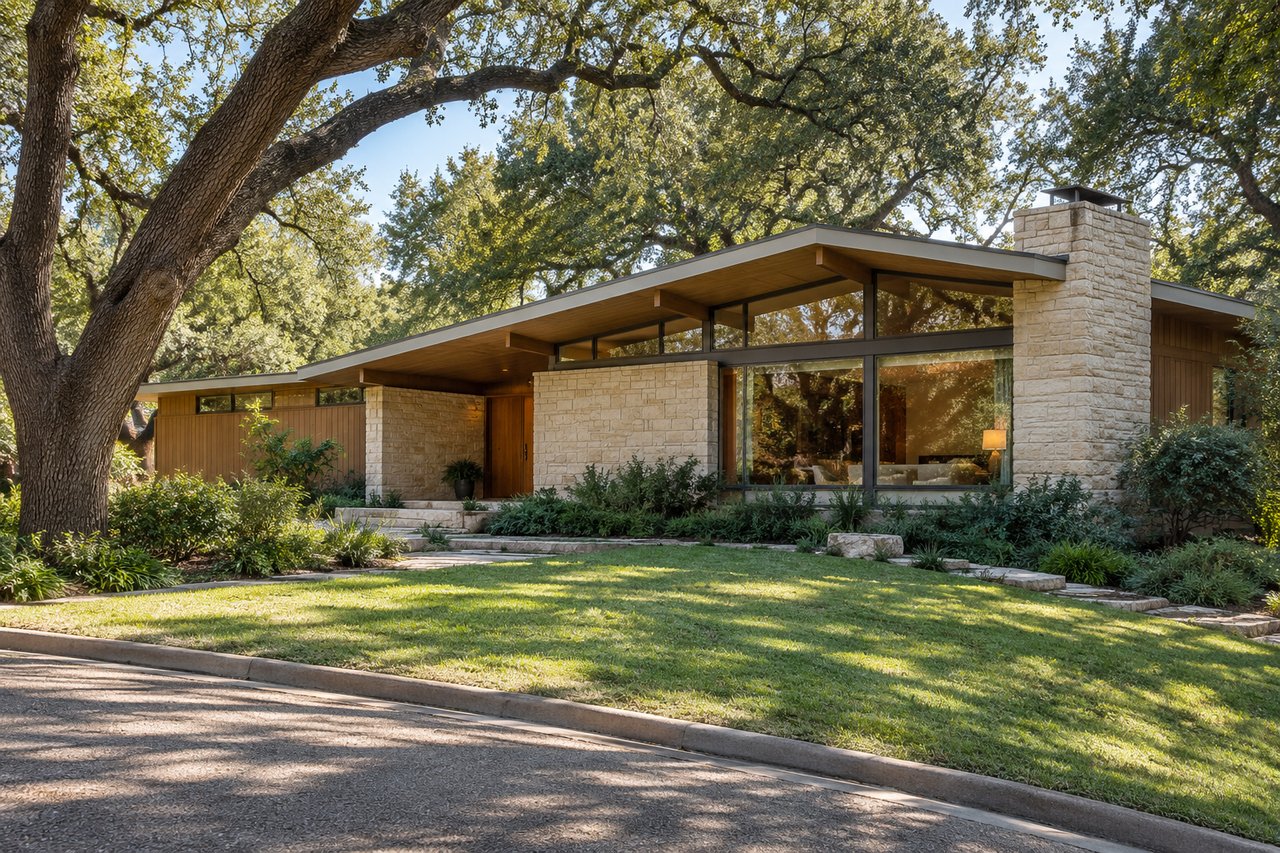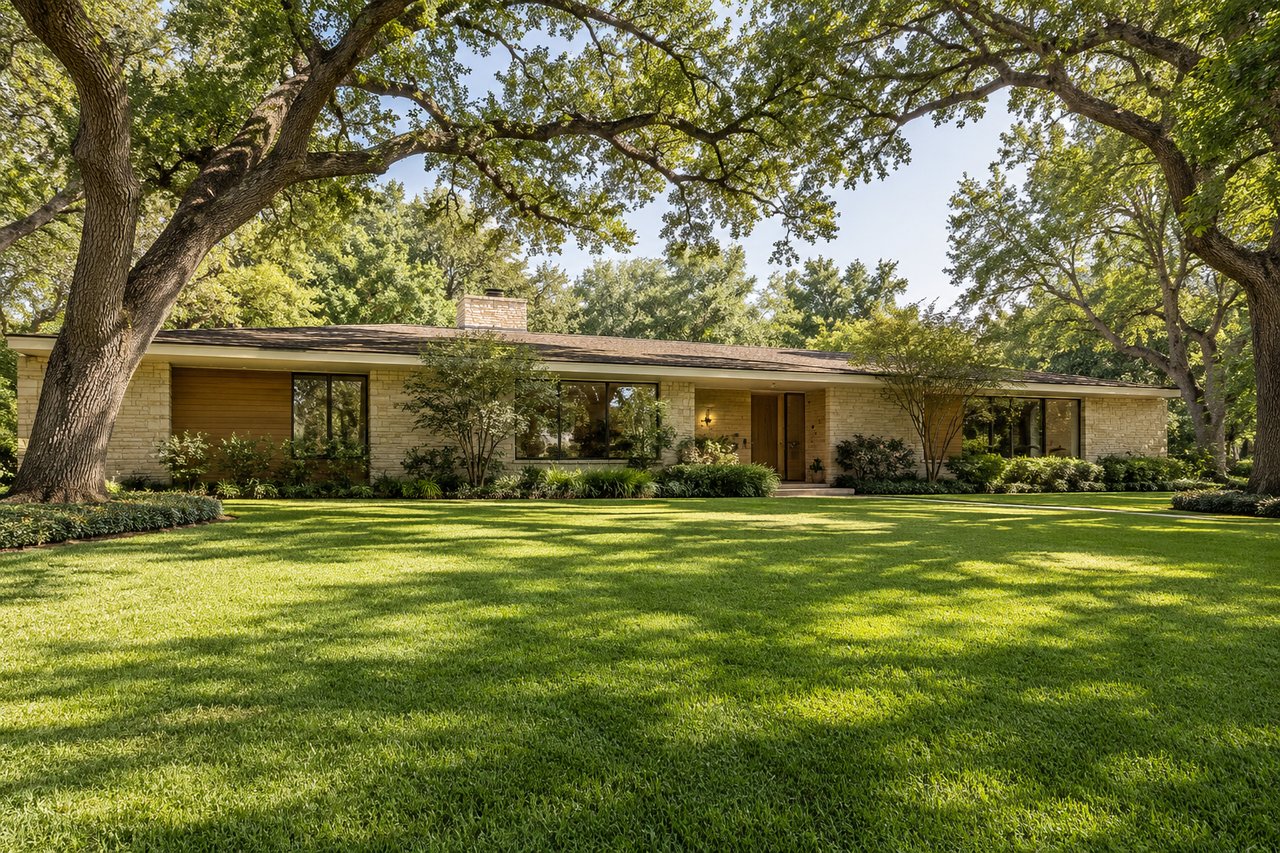
Since January 1, 2026, no licensed agent in Texas can show you a home without a written agreement signed first. That includes me. Buyers tend to learn this at the least convenient moment, standing outside a house they want to see, pen suddenly in hand. So here is the whole picture in advance: what the form is, what it commits you to, what it costs, and why it treats you rather better than the system it replaced.
Two Dates Changed the Rules
The first was August 17, 2024, when the national settlement between home sellers and the National Association of Realtors took effect. Two things happened that day. Agent compensation came off the MLS entirely, so a buyer's agent can no longer look up on the MLS what a seller is offering to pay before deciding which houses to put in front of you. And any agent using the MLS had to have a written agreement with a buyer before touring homes together.
The second was January 1, 2026, when Texas went further. Senate Bill 1968 wrote the requirement into state law. An agent must have a written agreement with you before showing any residential property, and if nothing is ever shown, before making an offer on your behalf. It stopped being an industry rule and became the law of the state.
The Part Most Buyers Never Knew
Under the old Texas rules, an agent could spend a month touring you through Tarrytown and Clarksville whilst legally operating as a subagent of the seller. The person pointing out the morning light in the kitchen owed their loyalty to the other side of the table. Most buyers had no idea. SB 1968 repealed subagency outright. The form you sign at the start now settles, in writing, that your agent works for you, not the seller. I consider that a fair trade for one signature.
What the Agreement Must Tell You
It is a contract, and you should read it the way you'd read one. Texas requires it to state the services you're getting, the termination date, whether it's exclusive, whether the agent represents you, and the fee as a specific amount or rate with how it's determined. The NAR rules add that open-ended language is prohibited, including the old dodge of "whatever the seller happens to be offering," and that your agent cannot collect more than the agreement says, from anyone, on any side of the deal. If any of it is vague, ask for numbers and dates before you sign.
What It Costs, and Who Pays
My rate is 3%. Every fee in this business is negotiable, and my position in that negotiation is that I do not discount it. In practice, we ask the seller to cover that compensation as part of your offer, and that remains entirely normal. Sellers can still pay the buyer's agent. What changed is that they can no longer advertise it on the MLS, so it gets negotiated where it always belonged, inside the offer itself.
At central Austin prices the number deserves saying out loud. On a $3M house, 3% is $90,000. I'd rather you hear that from me in the first conversation than discover it in paragraph 11 of a form.
If You Only Want to Look
The law allows a showing-only agreement: an agent opens the door, gives no advice and no opinions, and represents no one. It cannot be exclusive and it cannot run longer than 14 days. It's a sensible option for a Saturday of curiosity, and a good agent will offer it without being asked.
An open house hosted by the listing brokerage needs no signature. If the host is from another brokerage, expect a short showing agreement at the door. Either way, the person holding the door does not work for you.
What I'd Want Answered Before Signing
Ask how long the term runs, and start shorter than offered if you're unsure; committing to 90 days with someone you met on Tuesday is a lot. Ask whether it's exclusive and what area it covers, because "all of Travis County" is a different promise than "the neighborhoods we discussed." Ask how it ends, and what happens if you buy a house the agent showed you shortly after it ends, since most forms carry a protection period covering exactly that. And ask what happens to the fee if a seller won't contribute. An agent who bristles at any of these questions has answered a different, more useful one.
The agreement I use is the standard Texas REALTORS® form, and I walk through every line of it before anything gets signed, usually over coffee and well before we stand in anyone's entryway. My Buyer's Guide covers where this fits in the whole process, and my FAQ answers the shorter versions of these questions. If you're weighing a purchase in Tarrytown, Clarksville or anywhere in central Austin and want the numbers for your situation, get in touch. A conversation is not a commitment. The paperwork will tell you that too, in writing.
Rules and dates from the National Association of Realtors settlement practice changes, effective August 17, 2024; Texas Senate Bill 1968, effective January 1, 2026; and the Texas Real Estate Commission's guidance on representation agreements.
Buying in central Austin and want the paperwork explained before the first showing? I can help. → gemmawillans.com/buyers