Tarrytown is one of Austin’s most prestigious and scenic neighborhoods, offering a serene and refined living experience just west of downtown. Known for its tree-lined streets, historic architecture, and proximity to Lake Austin, the area attracts families, professionals, and retirees seeking a quiet, upscale community while remaining close to the city’s vibrant culture, dining, and recreation. The neighborhood features a mix of historic homes, mid-century residences, and modern luxury estates, creating a timeless yet dynamic atmosphere. With easy access to waterfront activities and downtown Austin, Tarrytown combines elegance with convenience.
Tarrytown is prized for its natural beauty, historic charm, and proximity to Lake Austin. The neighborhood’s streets are lined with mature oak trees and stately homes, contributing to its distinctive character. Lake Austin offers residents opportunities for boating, paddleboarding, and scenic lakeside walks.
While Tarrytown lacks a central public park, its quiet, residential streets and private waterfront access provide an outdoor-oriented lifestyle. The neighborhood is also minutes from the Austin Country Club and the Long Center for the Performing Arts, offering cultural programming, concerts, and community events. Its proximity to downtown ensures easy access to theaters, galleries, and Austin’s lively urban scene.
Tarrytown provides an upscale yet approachable culinary experience, with a mix of neighborhood cafés, bistros, and wine bars:
Mozart’s Coffee Roasters – Lakeside café known for freshly roasted coffee, pastries, and live music events.
Allday Pizzeria – New York-style pizzas in a casual, modern setting.
Flo’s Wine Bar & Bottle Shop – Relaxed spot for wine, small plates, and pizzeria fare.
Goldy’s – Casual coffee and pastry spot at Littlefield’s in Tarrytown.
Quince – Lakeside restaurant offering globally inspired dishes in a refined setting.
Bésame Ice Cream – Locally made ice cream with unique, artisanal flavors.
Coffee culture thrives with lakeside cafés providing both quality beverages and community gathering spaces. Tarrytown’s dining and social spots maintain a quiet, neighborhood-first ambiance, perfect for residents seeking sophistication without the bustle of downtown.
Outdoor living in Tarrytown centers on Lake Austin access, ideal for boating, paddleboarding, and waterfront strolls. Tree-lined streets encourage walking, jogging, and cycling. For more rugged outdoor adventures, Barton Creek Greenbelt is only a short drive away, offering hiking, swimming, and rock climbing amid natural limestone cliffs.
The neighborhood’s combination of scenic streets, private green spaces, and waterfront access allows residents to enjoy an active and nature-connected lifestyle while maintaining privacy and tranquility.
Tarrytown is served by the Austin Independent School District (AISD), with highly regarded public schools:
Casis Elementary School
O. Henry Middle School
Austin High School
Families also have access to nearby private schools, including The Girls’ School of Austin, providing a rigorous academic program and character-focused education. The neighborhood’s quiet streets, safety, and proximity to cultural and recreational amenities make it especially appealing to families seeking an elegant, connected community.
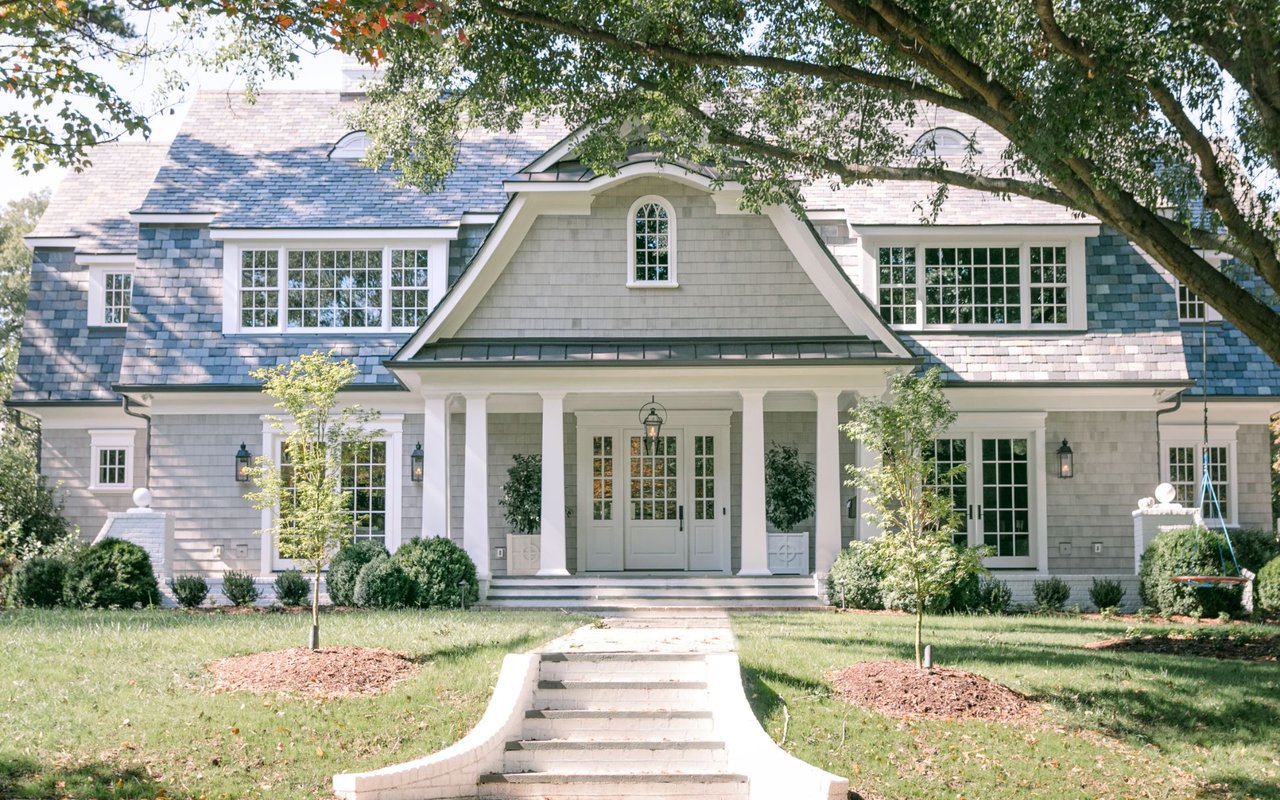
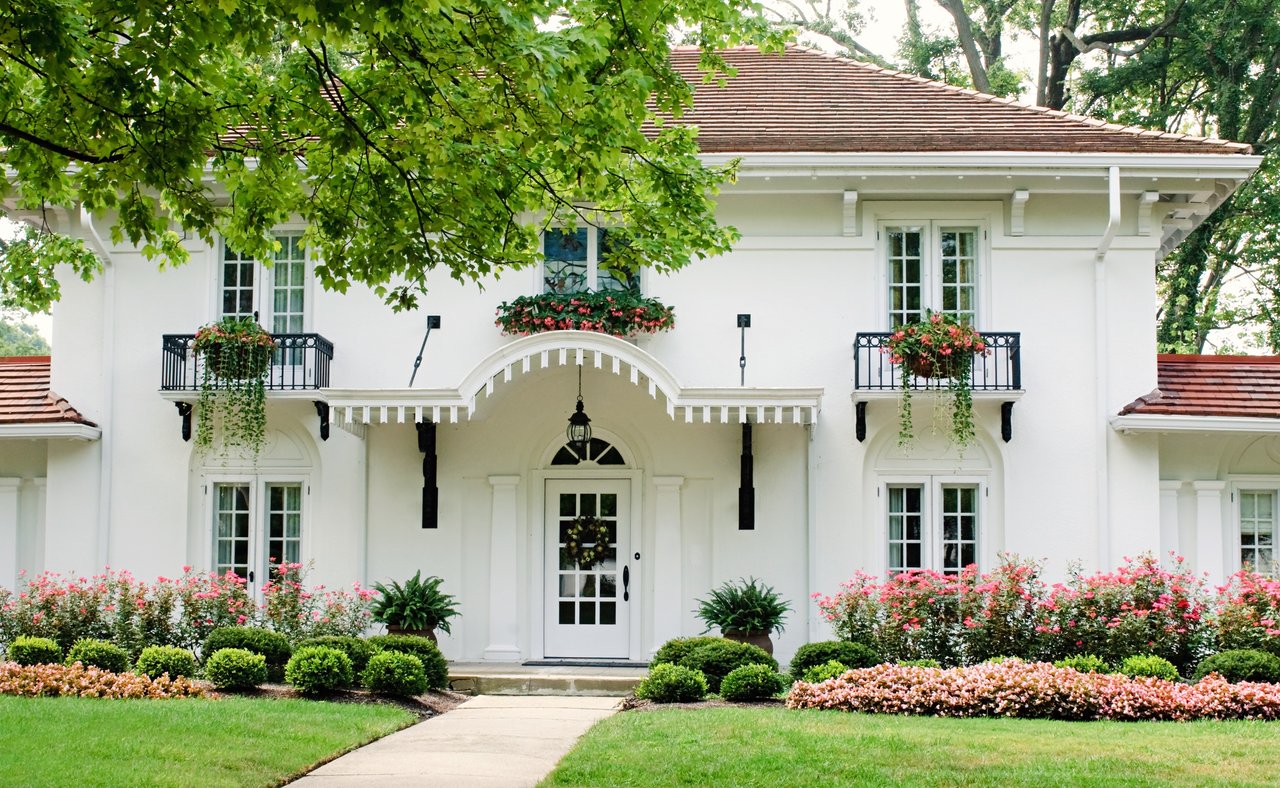
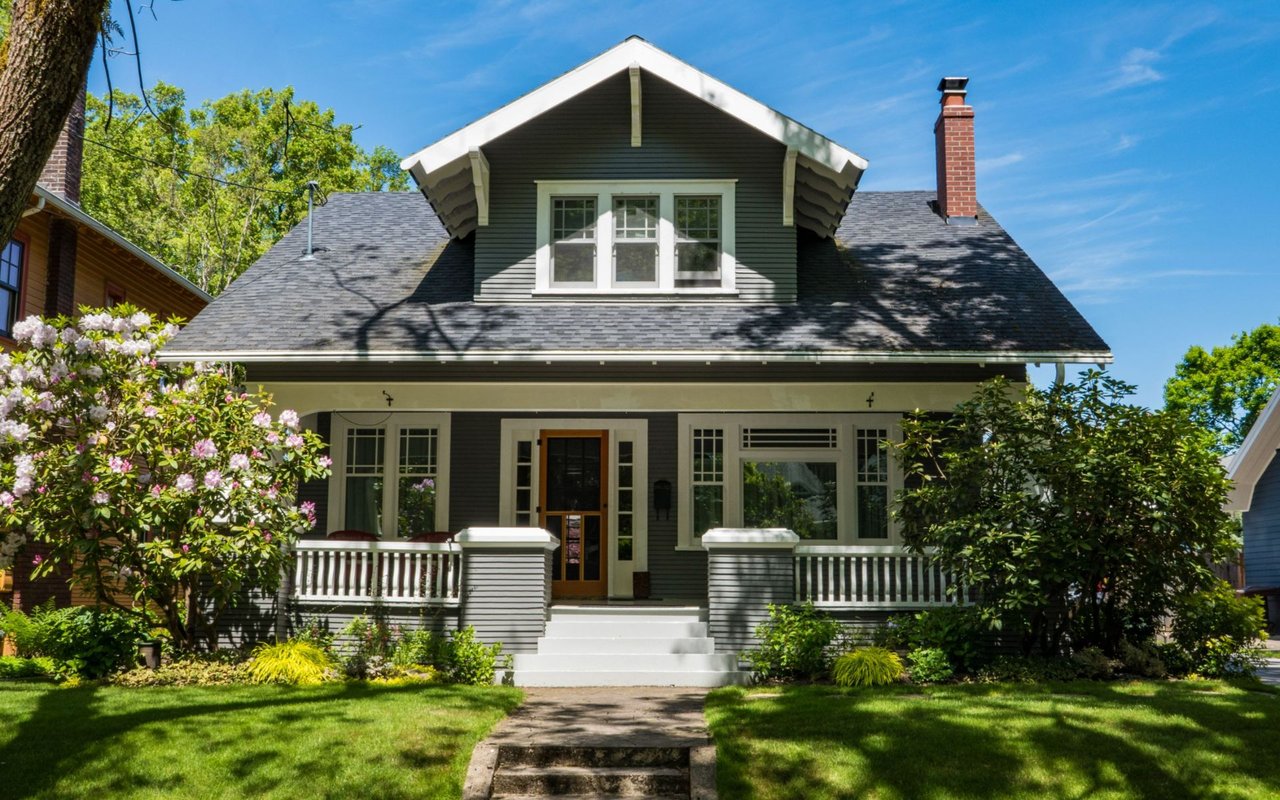
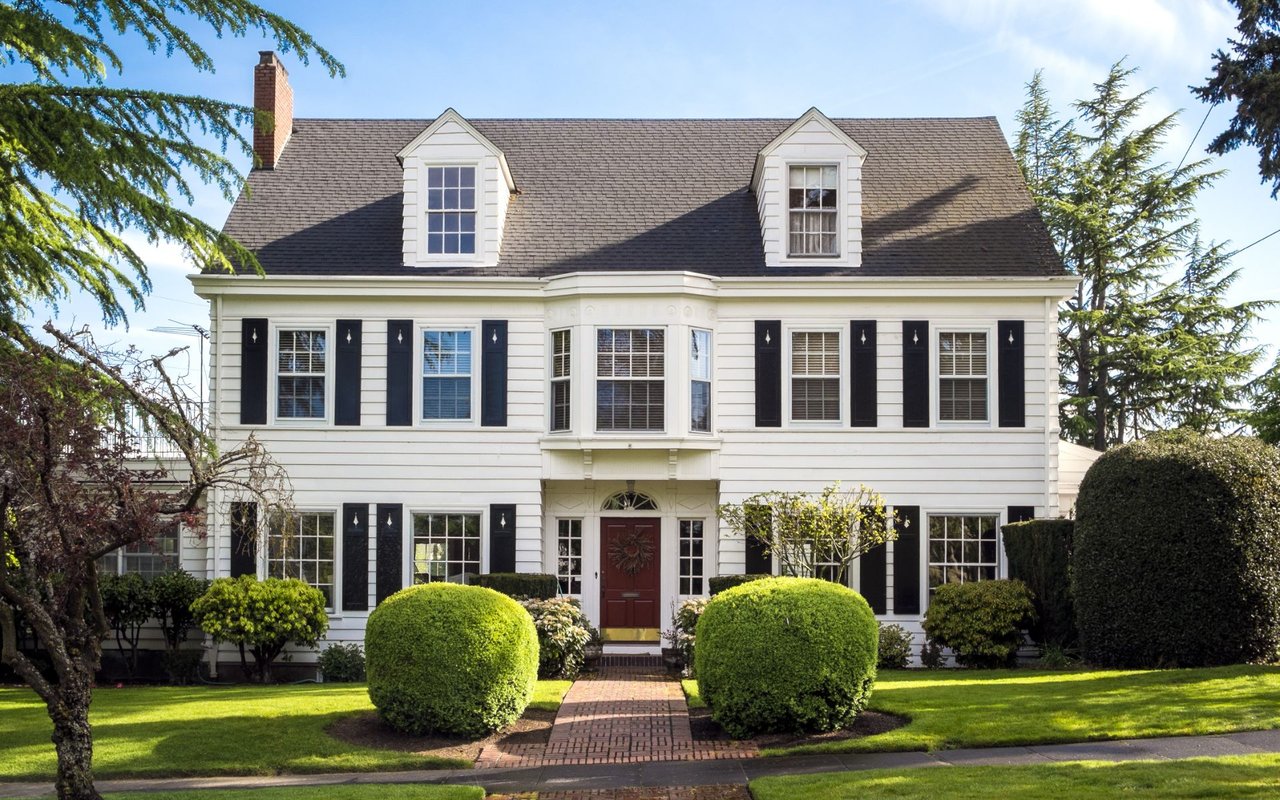
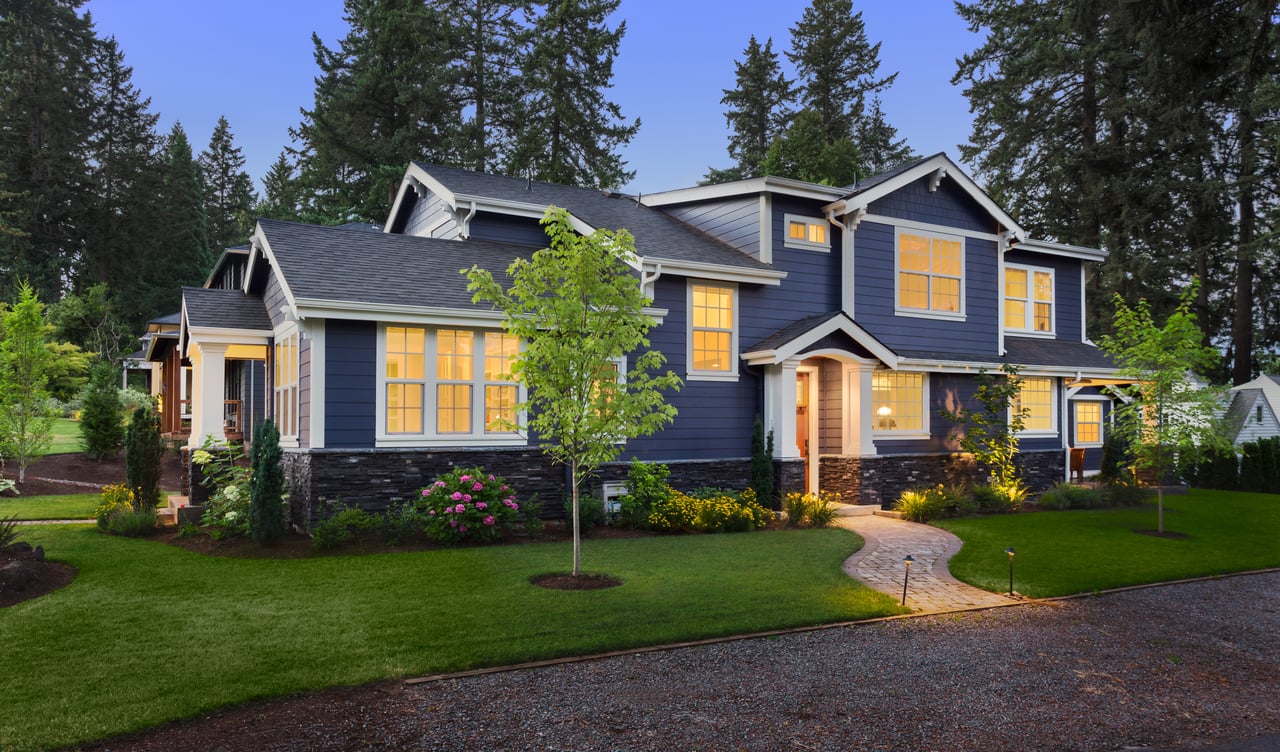
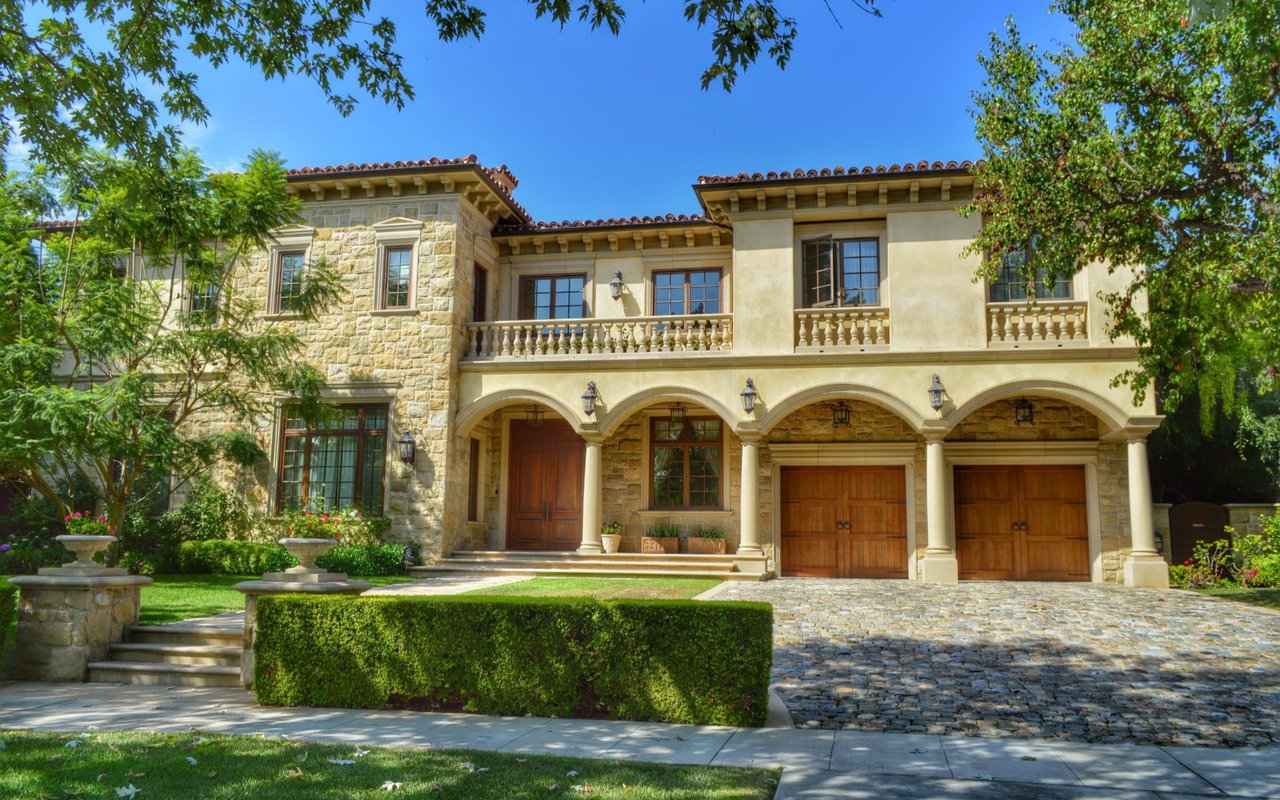
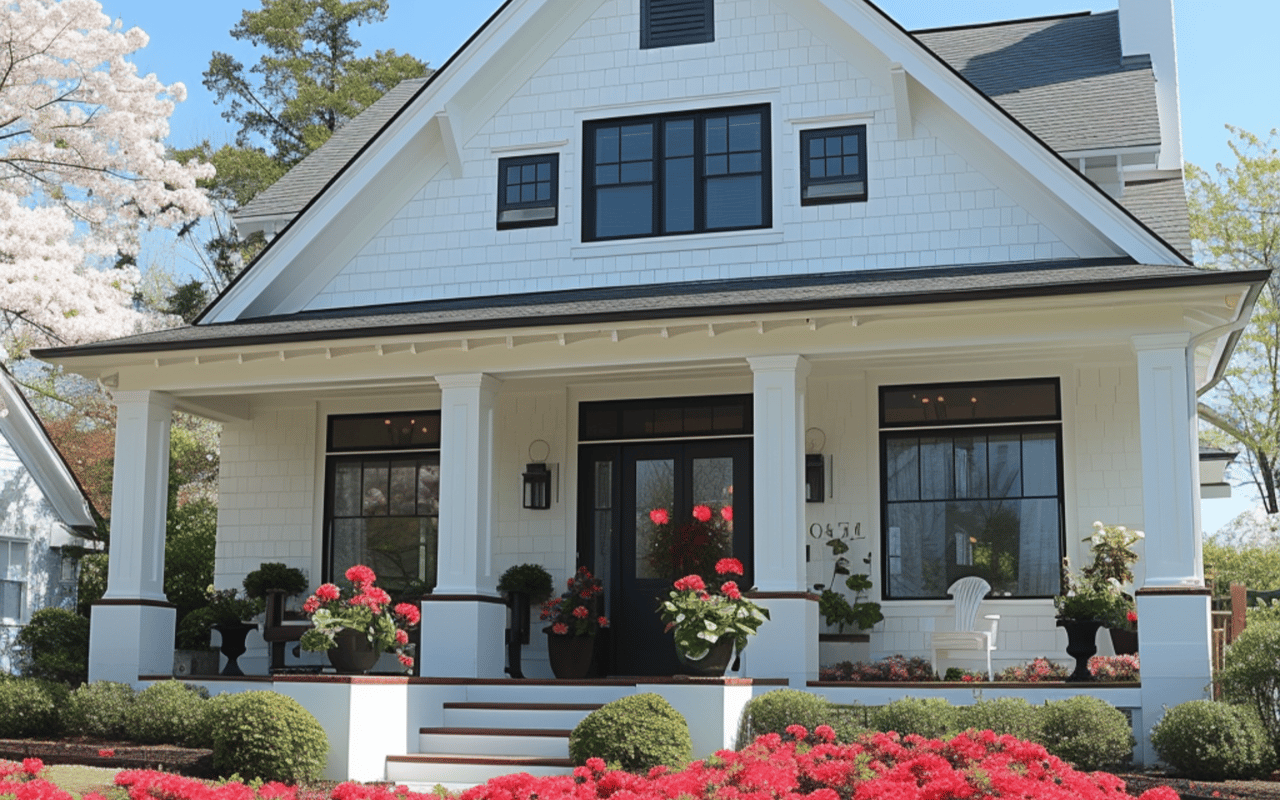
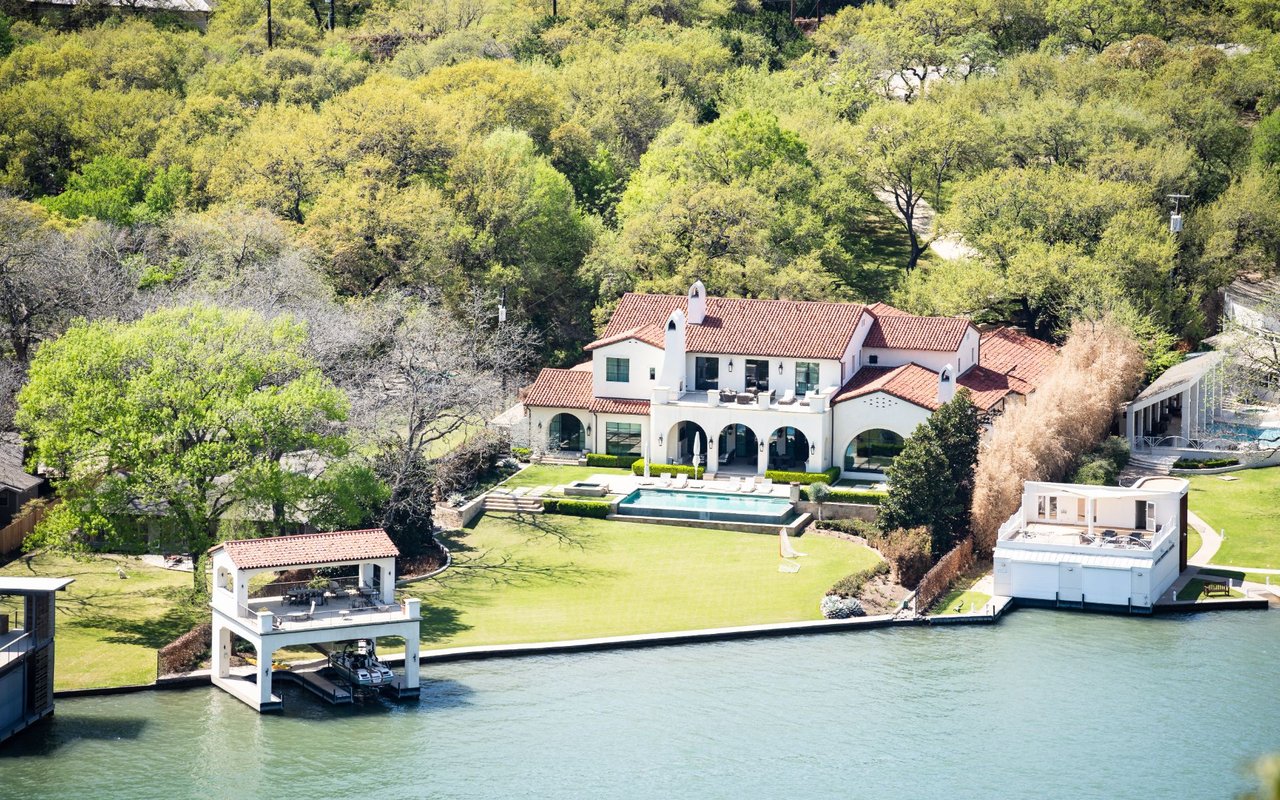
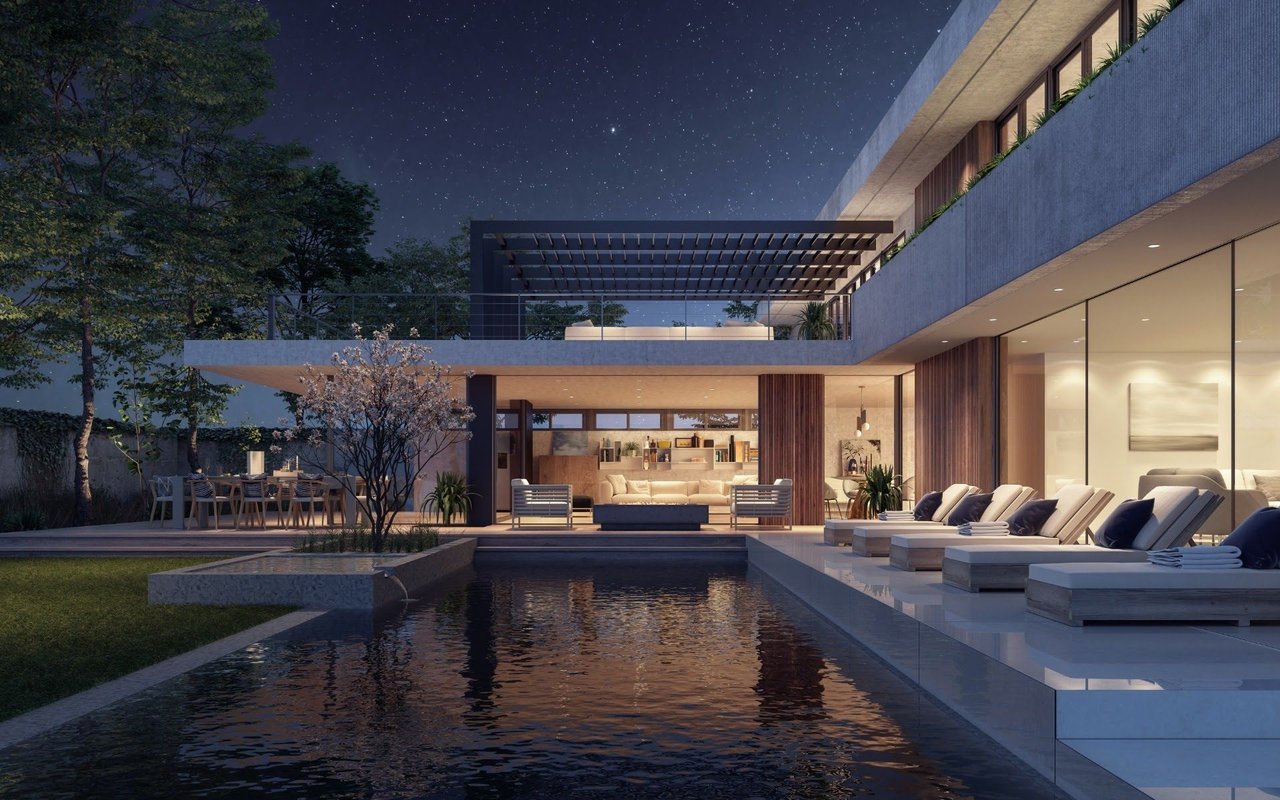
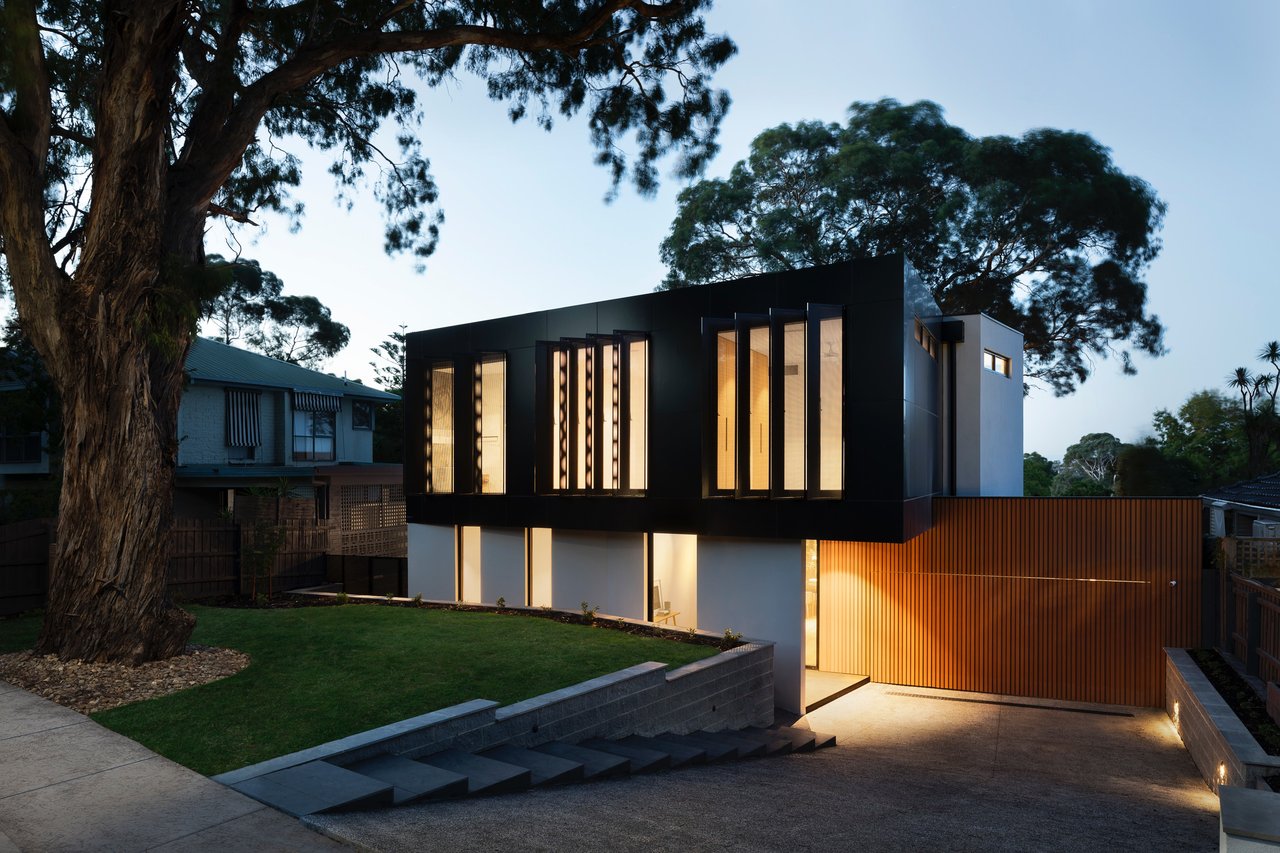
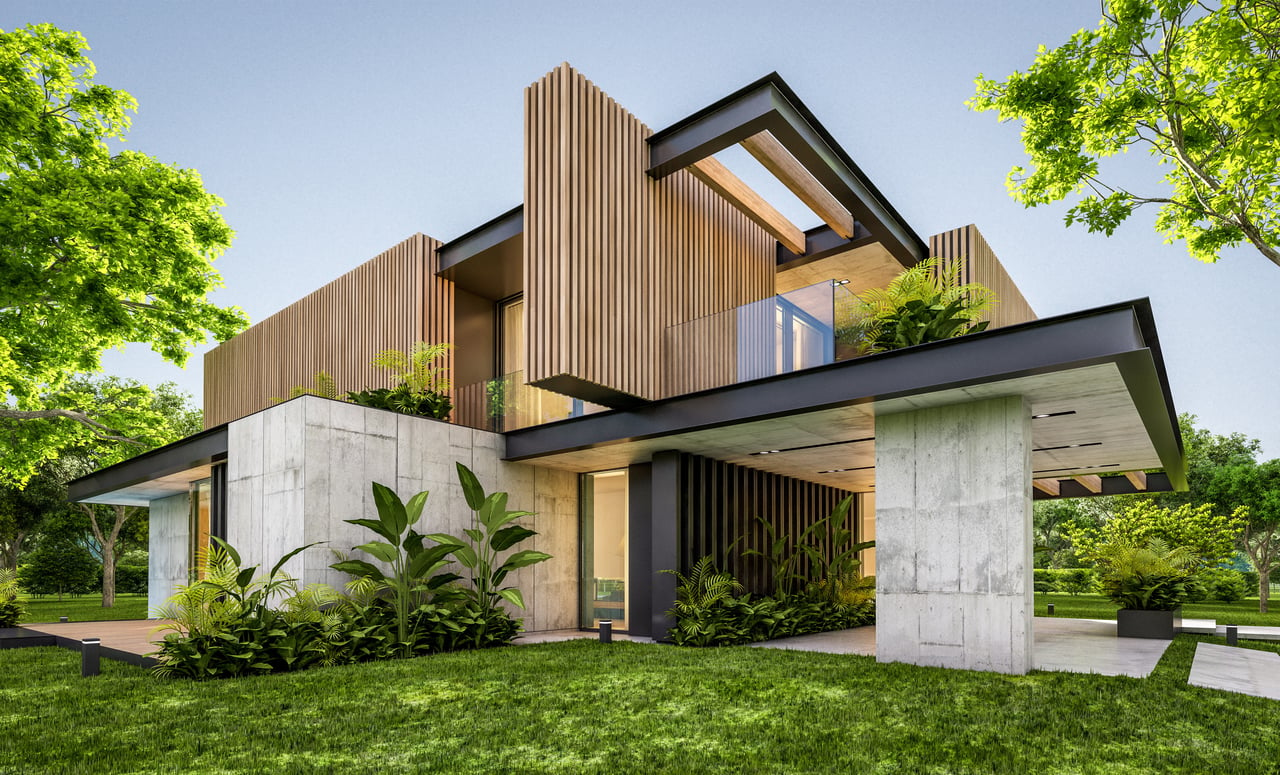
Tarrytown offers a mix of historic homes, mid-century residences, and modern estates. Many properties feature spacious yards, mature trees, and design elements that embrace indoor-outdoor living.
Entry-level homes typically start around $1.3M–$1.5M, while larger luxury estates exceed $2M. Architectural styles include traditional cottages, ranch-style homes, contemporary builds, and modernist designs. The neighborhood’s real estate market appeals to buyers seeking historic charm, privacy, and proximity to downtown Austin.
Historic Homes & Estates – A blend of mid-century, traditional, and modern designs.
Lake Austin Access – Waterfront views and recreational opportunities.
Tree-Lined Streets – Quiet, scenic streets ideal for walking and biking.
Close to Downtown – Easy access to cultural attractions, dining, and entertainment.
Tarrytown combines elegance, natural beauty, and convenience, offering a serene and refined lifestyle just minutes from Austin’s urban core.
10,777 people live in Tarrytown, where the median age is 43 and the average individual income is $116,088. Data provided by the U.S. Census Bureau.
Total Population
Median Age
Population Density Population Density This is the number of people per square mile in a neighborhood.
Average individual Income
There's plenty to do around Tarrytown, including shopping, dining, nightlife, parks, and more. Data provided by Walk Score and Yelp.
Explore popular things to do in the area, including Big Top Candy Shop, Body Collective, and Get Up And Go Kayaking.
| Name | Category | Distance | Reviews |
Ratings by
Yelp
|
|---|---|---|---|---|
| Dining | 2.78 miles | 7 reviews | 5/5 stars | |
| Active | 3.3 miles | 8 reviews | 5/5 stars | |
| Active | 3.17 miles | 6 reviews | 5/5 stars | |
| Active | 1.77 miles | 17 reviews | 5/5 stars | |
| Active | 4.2 miles | 6 reviews | 5/5 stars | |
| Active | 4.56 miles | 25 reviews | 5/5 stars | |
| Beauty | 4.86 miles | 10 reviews | 5/5 stars | |
| Beauty | 4.48 miles | 5 reviews | 5/5 stars | |
| Beauty | 3.42 miles | 14 reviews | 5/5 stars | |
| Beauty | 2.31 miles | 6 reviews | 5/5 stars | |
| Beauty | 2.35 miles | 7 reviews | 5/5 stars | |
| Beauty | 4.8 miles | 17 reviews | 5/5 stars | |
| Beauty | 3.6 miles | 16 reviews | 5/5 stars | |
| Beauty | 3.82 miles | 6 reviews | 5/5 stars | |
| Beauty | 4.37 miles | 10 reviews | 5/5 stars | |
| Beauty | 1.94 miles | 30 reviews | 5/5 stars | |
|
|
||||
|
|
||||
|
|
||||
|
|
||||
|
|
||||
|
|
Tarrytown has 4,581 households, with an average household size of 2. Data provided by the U.S. Census Bureau. Here’s what the people living in Tarrytown do for work — and how long it takes them to get there. Data provided by the U.S. Census Bureau. 10,777 people call Tarrytown home. The population density is 3,909 and the largest age group is Data provided by the U.S. Census Bureau.
Total Population
Population Density Population Density This is the number of people per square mile in a neighborhood.
Median Age
Men vs Women
Population by Age Group
0-9 Years
10-17 Years
18-24 Years
25-64 Years
65-74 Years
75+ Years
Education Level
Total Households
Average Household Size
Average individual Income
Households with Children
With Children:
Without Children:
Marital Status
Blue vs White Collar Workers
Blue Collar:
White Collar: