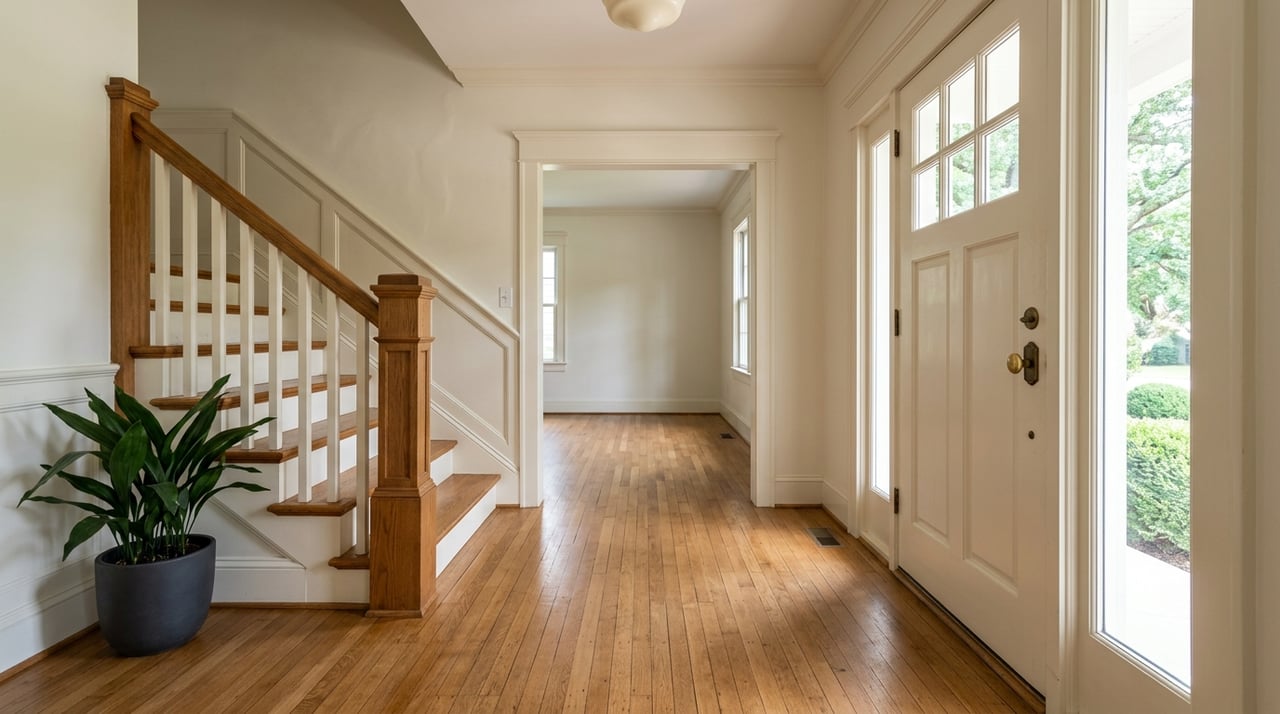
Thinking about buying in Old Enfield because the charm is undeniable, but the rules feel a bit murky? You are not alone. Historic district homes can offer character, scarcity, and a real sense of place, but they also come with extra homework before you write an offer. This guide walks you through what Old Enfield’s historic status means, what to verify before you buy, and where buyers often get surprised. Let’s dive in.
Old Enfield’s Historic Status
Old Enfield sits within the Old West Austin National Register Historic District, an area recognized by the Texas Historical Commission and the City of Austin as part of one of the city’s most established historic neighborhoods. The district is roughly bounded by West 13th Street, Lamar Boulevard, West 35th Street, and MoPac Expressway. The city describes it as the largest historic district in Texas, with about 1,600 homes and 2,500 buildings.
That sounds straightforward, but here is the practical bit: not all historic designations work the same way. In Austin, local historic districts carry the strongest protections through a historic district overlay. National Register districts, by contrast, are largely honorific and do not change zoning, though review for certain work is still part of the process.
For buyers, the first step is simple: confirm exactly how the property is classified in Austin’s Historic Property Viewer. A home may be a landmark, part of a locally designated historic district, or part of a National Register district, and those distinctions affect what comes next.
What Old Enfield Looks Like On the Ground
Old Enfield is not a museum piece with one tidy architectural style repeated block after block. The broader district includes a wide range of architecture, from mid-19th-century Greek Revival to mid-20th-century International Style. In plain English, that means two homes on the same street can look quite different and still contribute to the neighborhood’s historic character.
The area is mostly residential and intentionally low density. The National Register documentation describes a neighborhood of single-family homes with garages, carports, and other outbuildings, plus minimal fencing, mature landscaping, and a street pattern that feels somewhat self-contained.
You will also see a lot of older construction methods and materials. Many homes are wood-frame, often finished with brick, stone, stucco, wood, or a mix of materials, with brick veneer being especially common. Some houses in the broader Old West Austin area are more than 100 years old, and the Enfield subdivision itself began in 1916.
Why Historic Classification Matters
If you are buying in Old Enfield, square footage is only part of the story. Historic value is also tied to how a home fits the streetscape, including its massing, porch, roofline, windows, and street-facing appearance. That does not mean every older detail must be frozen in time, but it does mean visible exterior changes can carry more weight here than in a typical non-historic neighborhood.
This is where buyers can get caught out. A house may look beautifully updated, but if prior exterior work was done without the appropriate review, you may inherit the headache. Straight talk, sharp preparation applies nicely here.
Renovation Rules Buyers Should Understand
Austin requires a historic review application for exterior alterations, additions, permanent site work, signs, and stand-alone new construction on historic landmarks, contributing properties in historic districts, and National Register district properties. The city also directs landmark properties and National Register districts to use the current Historic Design Standards when planning projects.
That means your renovation wishlist needs a reality check before closing, not after. If you are hoping to add on, alter the exterior, or substantially change site features, you need to know whether the property’s designation and status will trigger review.
National Register Review Is Not “No Review”
A common misconception is that National Register status is mostly ceremonial. In Austin, that is only partly true. While National Register districts do not create the same zoning effect as local historic districts, the city still requires review for alterations and additions to contributing properties and for new construction in those districts.
Some smaller projects may receive administrative comment rather than a full public review, especially if they do not visually affect the property from the street. The city notes examples such as a one-story rear addition under 600 square feet or certain rear additions to two-story buildings.
Review Timelines Can Affect Your Budget
Historic review is not always quick. Austin’s review chart says the process can take up to 75 days from the first Historic Landmark Commission meeting. If a project involves full demolition or relocation of a contributing building in a National Register district, review may take up to 180 days.
That does not mean every project turns into a half-year saga, but it does mean buyers should build extra time into any renovation plan. If your budget depends on a fast turnaround, this detail matters.
What Austin’s Design Standards Prioritize
Austin’s current standards are based on the Secretary of the Interior’s Standards for Rehabilitation. The city’s guidance emphasizes repairing historic materials rather than replacing them when possible. It also encourages keeping historic-age changes that have become part of the building’s story.
For you as a buyer, that can influence both cost and scope. Restoring original materials is often more nuanced than swapping in new ones, and the city’s guidance leans toward rehabilitation that preserves character-defining features while still allowing a home to function for modern living.
Windows are a good example. Austin notes that keeping older windows and improving them with weatherstripping or energy-efficient screens can offer energy savings comparable to replacement windows in some cases. So if your first instinct is “replace everything,” this is a neighborhood where that assumption deserves a second look.
What to Verify Before You Go Under Contract
Historic homes reward careful due diligence. Before you commit, make sure you verify the basics that can affect cost, timing, and future plans.
1. Confirm the Property’s Exact Designation
Start with the Historic Property Viewer. Confirm whether the home is a landmark, in a local historic district, or in a National Register district, and whether it is considered contributing or noncontributing.
If the home is not formally designated, check whether it appears in city historic resource surveys. Survey inclusion does not create designation on its own, but it can signal potential historic significance.
2. Review Permit History
Ask for prior permit files, certificates of appropriateness, and any record of unpermitted work. This matters because visible exterior changes to historic resources can trigger review.
If prior owners skipped steps, you want to know before closing. It is far better to spot a paperwork issue during due diligence than during your first remodel.
3. Keep Inspection Contingencies Intact
An independent inspection is essential, especially with older homes. Schedule it as early as possible and keep the contract contingent on a satisfactory result.
Historic charm is wonderful, but old systems, aging materials, and deferred maintenance are still very real. Character and plumbing do not always age at the same pace.
4. Plan for Lead Disclosure if Applicable
If the home was built before 1978, expect lead-based paint disclosure paperwork before contract signing. If you want testing, there is typically a 10-day window to do so.
If future renovation work will disturb painted surfaces, lead-safe work practices should be part of your planning. This is especially important for buyers budgeting cosmetic or structural updates soon after closing.
5. Check Floodplain and Drainage Status
Floodplain and drainage review matters in parts of Central Austin, especially near Shoal Creek or lower-lying spots. Austin’s floodplain office maintains maps, and the city notes that floodplain review is required if a project is in or within 100 feet of the 100-year floodplain.
Even if you are not planning a major remodel, it is wise to understand drainage conditions before you buy. Water tends to ignore wishful thinking.
6. Verify Deed Restrictions and Possible Tax Benefits
Buyers should also verify deed restrictions or restrictive covenants, since the city states that checking those is the applicant’s responsibility. These restrictions can affect what you can build or alter, independent of historic review.
On taxes, do not assume every historic home comes with an automatic benefit. Austin’s current abatement materials are written for local historic districts, and landmark exemptions are filed through TCAD between January 1 and April 30. Any potential incentive depends on the parcel’s exact status.
The Tradeoffs of Buying in Old Enfield
The appeal of Old Enfield is easy to understand. You are buying into scarcity, architectural character, mature landscaping, and a neighborhood fabric that has stayed remarkably intact over time. That kind of setting is hard to replicate.
The tradeoff is that ownership often requires more discipline. Maintenance can be more involved, renovation paths may be narrower, and approvals can take longer than buyers expect.
That does not make Old Enfield harder in a bad way. It just makes it a market where informed buyers tend to fare much better than impulsive ones.
Why a Historic-Savvy Agent Helps
In Old Enfield, the real challenge is not just finding a house you love. It is understanding how that house is classified, what changes may be feasible, how long approvals could take, and where your budget may stretch beyond the purchase price.
A historic-savvy agent can help you sort contributing from noncontributing properties, flag likely review issues early, and coordinate the right inspection and contractor conversations during due diligence. That kind of preparation can save you from buying the wrong project or underestimating the right one.
If you are considering a purchase in Old Enfield and want straight talk, local context, and a well-prepared strategy, Gemma Willans can help you navigate the process with clarity.
FAQs
What historic district is Old Enfield in?
- Old Enfield sits within the Old West Austin National Register Historic District, which the City of Austin describes as the largest historic district in Texas.
Does National Register status change zoning in Old Enfield?
- No. In Austin, National Register district status is largely honorific and does not change zoning, but certain exterior work and new construction can still require historic review.
How can you verify a home’s historic status in Old Enfield?
- Use the City of Austin’s Historic Property Viewer to confirm whether a property is a landmark, part of a local historic district, or part of a National Register district, and whether it is contributing or noncontributing.
Do renovations in Old Enfield require city review?
- Many do. Austin requires historic review for exterior alterations, additions, permanent site work, signs, and stand-alone new construction on certain historic properties, including National Register district properties.
How long can historic review take in Austin?
- Austin’s review chart says review can take up to 75 days from the first Historic Landmark Commission meeting, and demolition or relocation of a contributing building in a National Register district may take up to 180 days.
What should buyers inspect before purchasing an older Old Enfield home?
- Buyers should confirm designation, review permit history, keep an independent inspection contingency, check lead disclosure requirements for pre-1978 homes, review floodplain and drainage status, and verify deed restrictions or restrictive covenants.