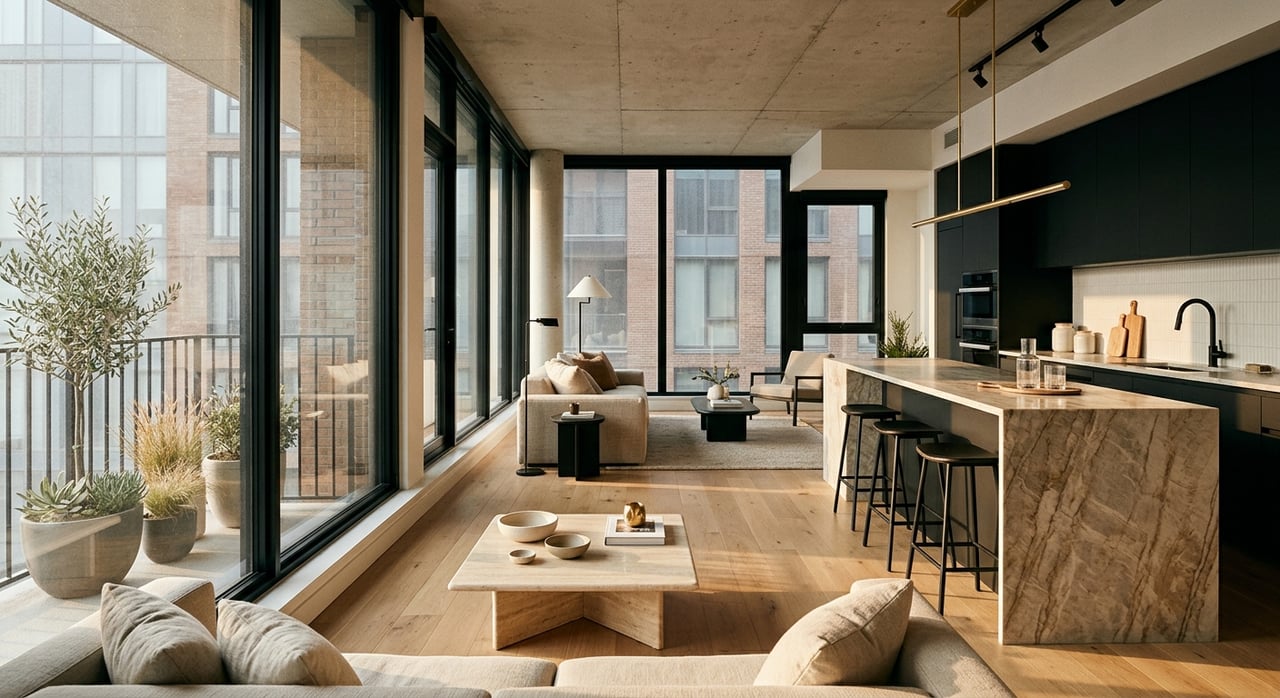
I get some version of this question constantly. Someone's moving to Austin, or rethinking how they live here already, and it comes down to: condo downtown, or a house in one of the central neighborhoods. It sounds like a market question. It isn't, really. It's a Tuesday evening question. How do you want to spend one.
The Real Tradeoff
This was never about whether condos are better than houses. In Central Austin, it almost always comes down to convenience versus control. A downtown condo gives you a lock and leave setup, shared amenities, and the ability to walk to most things without thinking about it. A central home gives you more room, more privacy, and far fewer rules about what you can do with your own property, but it also means you're the one dealing with the roof, the yard, the fence, and whatever decides to break the week after you move in. Your time, your routines, and how much responsibility you want to carry matter just as much as the monthly number on the listing.
What the Price Picture Actually Shows
Austin's close in neighborhoods all sit above the citywide median, but the spread between them is worth understanding before you fall in love with a number. In February 2026, the Austin citywide median sale price sat at $522,500. Downtown came in at $740,000, Clarksville at $760,000, and Zilker at $1,037,500, per Redfin.
Bryker Woods is harder to pin down. Redfin showed a single February 2026 sale there at $2,967,500, while Zillow's average home value estimate for the same month sat closer to $1,182,070. One sale in a small neighborhood can swing the number dramatically, so treat that figure as directional rather than gospel. Days on market told a similar story: roughly 100 in Downtown, 107 in Zilker, 90 in Clarksville, and 68 in Bryker Woods. In neighborhoods with only a handful of sales a month, those numbers move fast, so read them as a general sense of pace rather than a guarantee.
The Case for a Downtown Condo
Downtown is the most vertical, most transit connected option on this list. Congress Avenue runs as the spine, CapMetro's Downtown Station links rail to buses, bikeshare, scooters, and trails, and the city's ongoing Complete Streets and Urban Trails work keeps making it easier to get around without a car at all.
A condo tends to suit people who want a smaller footprint, shared amenities, and the ability to lock the door and not think about the property again until they're back. Less space, less hassle, less mowing. A current Seaholm listing makes the tradeoff concrete: 690 square feet, a private balcony, one garage space, and a $613 monthly association fee that covers insurance, grounds maintenance, and trash, with concierge, a fitness center, a pool, a dog park, and bike storage built into the building. You're not really buying square footage here. You're buying a lifestyle where someone else worries about the common areas and you worry about where to have dinner.
The Case for a Central Home
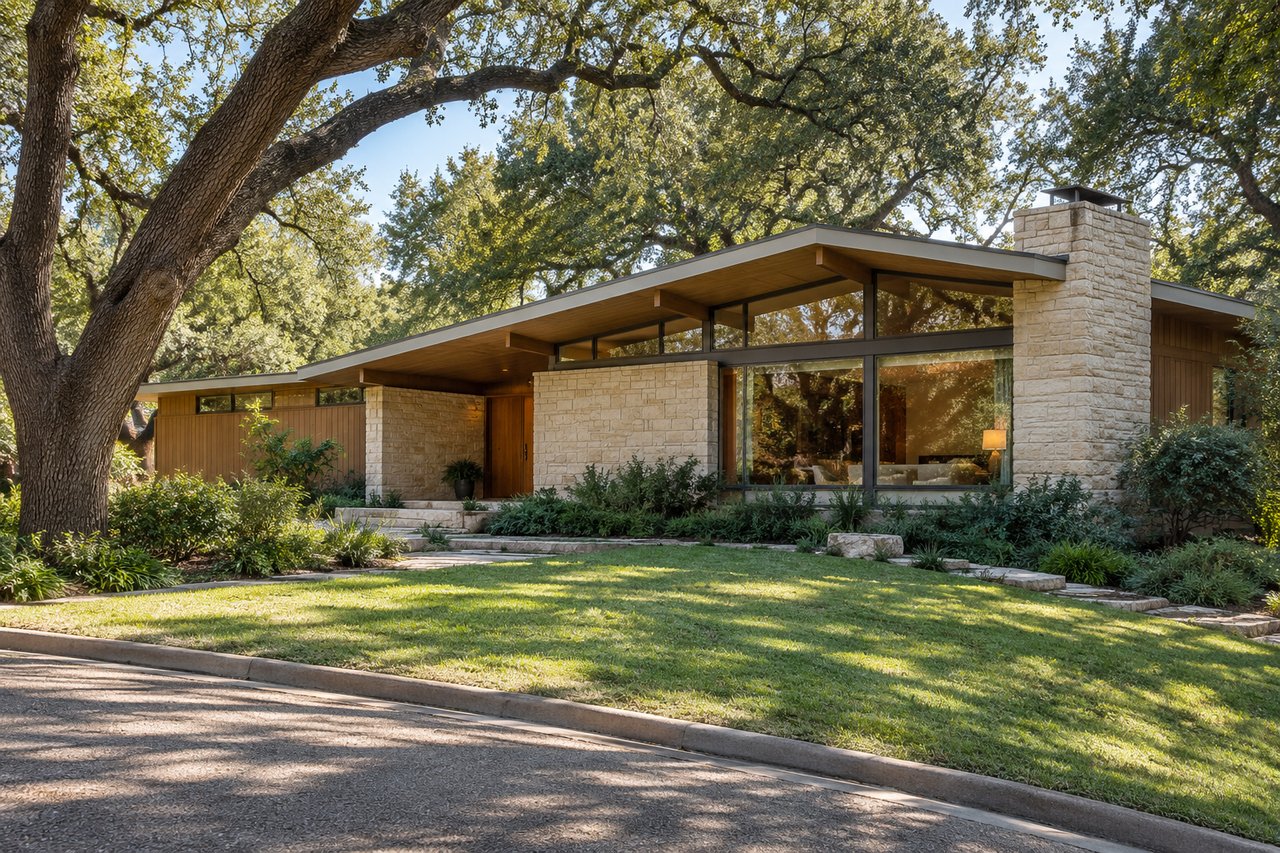
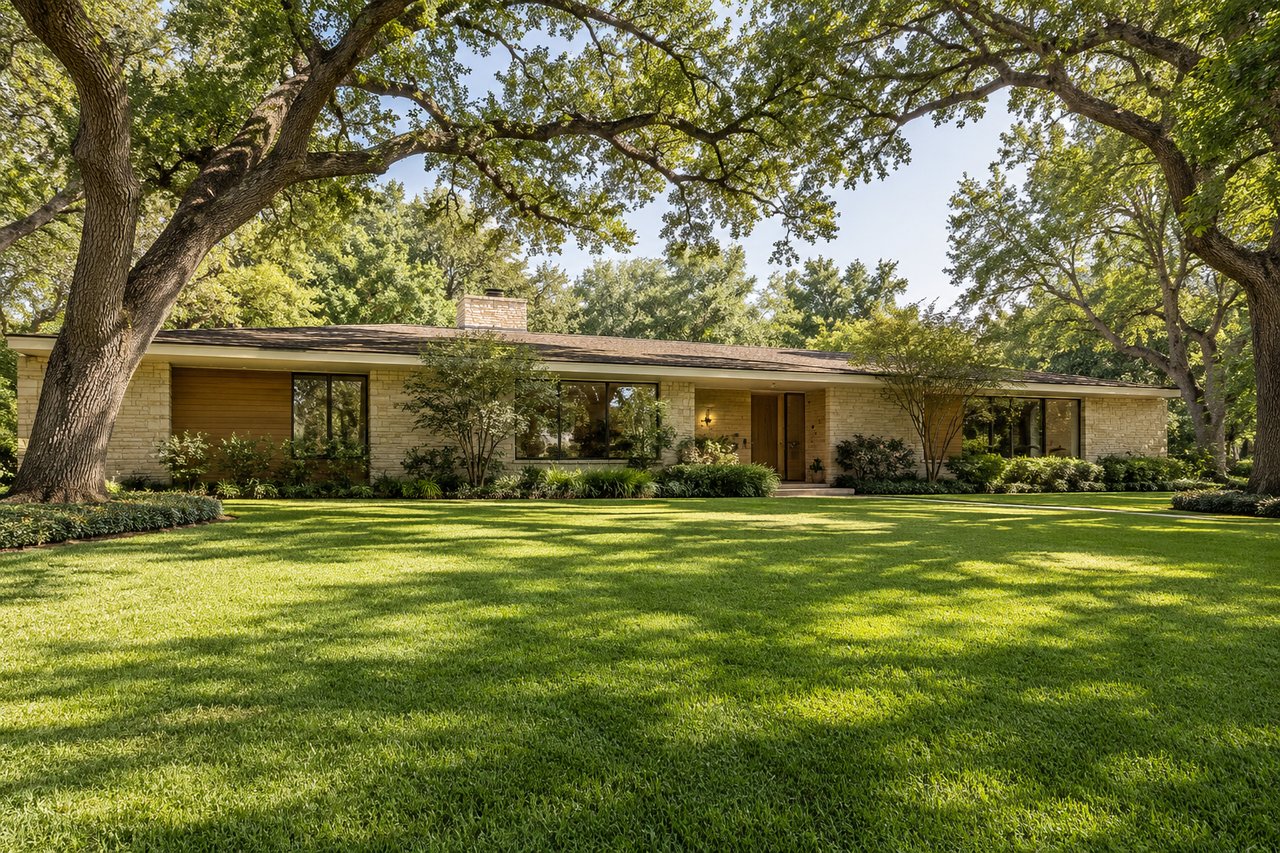
If your version of home involves a yard, a garage, a guest room, or simply not sharing a wall with another human, a house in one of the central neighborhoods is probably where you land. In Zilker, Clarksville, and Bryker Woods, the feel runs residential and independent. A recent Clarksville listing ran nearly 4,000 square feet with a two car garage, a large lot, and no HOA at all. Other close in listings have offered patios, landscaped lots, greenbelt views, pools, and main floor primary suites. More space, more privacy, and more things that can go wrong on a Saturday morning. That's the actual deal, and most buyers who choose a house already know exactly what they're signing up for.
The Neighborhoods, Briefly
Even with the budget to cover both options, the neighborhood itself usually makes the decision for you. Downtown suits people who want an urban routine, transit, bike routes, restaurants, and culture close enough that stepping outside means you're already somewhere. Zilker suits people who organize their whole life around being outdoors. Zilker Metropolitan Park runs past 350 acres and includes Barton Springs Pool, the Botanical Garden, the hike and bike trail, and the Hillside Theater, with ACL and Trail of Lights happening right there too, which is wonderful unless you're trying to park on your own street during either one.
Clarksville suits people who want to be close to downtown without feeling like they live inside it. It's one of the first freedom colonies established west of the Mississippi, and it's held onto its historic, walkable, neighborhood scale character better than most. There are condo options here too, which makes it one of the few neighborhoods where you can choose between property types on the same streets. Bryker Woods suits people who want a proper residential neighborhood that still happens to be central. Its history runs back to 1886 plats, and the city's own neighborhood plan describes one to two story single family homes with the occasional duplex mixed in. Tree lined, quiet, and close to everything without feeling close to anything.
What Ownership Actually Costs
A downtown condo can look simpler on paper, and in some ways it is. More of your upkeep gets baked into the monthly HOA fee, which makes budgeting far more predictable. That Seaholm example ran $613 a month. A Clarksville condo listing showed $310, covering common area maintenance, insurance, structure maintenance, parking, security, and trash. One thing worth checking every time: parking isn't always included in the HOA. Some buildings bill it separately, so verify exactly what the monthly number covers before you plan a budget around it.
A house may carry no HOA at all, but you're personally responsible for everything. The yard, the roof, the deck, the mysterious noise the air conditioning makes every third Thursday. Budget accordingly, because nobody else is covering that call.
Property Taxes Deserve Their Own Line Item
Texas has no state property tax, so rates get set locally, and Austin's isn't small. The city's FY26 taxpayer impact statement projected a city property tax bill of $2,272.20 for the median non-senior homestead after the standard 20 percent homestead exemption. Applying for that exemption through Travis County is free, and there's no good reason to skip it if the property qualifies as your primary residence. Whatever you buy, get a realistic picture of full monthly ownership cost, not just the mortgage number, before you commit to either path.
The Question That Actually Decides This
Forget which option sounds better in the abstract. The real questions are simpler than that. Do you want less maintenance or more private space. Do you want shared amenities or genuine independence. Is your daily life built around transit and being in the middle of things, or around yards, patios, and quiet residential streets. Would you rather pay one predictable fee every month or handle repairs as they come. There's no universal answer here, only the one that matches how you live, not how you imagine you might live someday.
Trying to work out whether a downtown condo or a central home fits your life better? I can walk you through what makes sense for your situation. → gemmawillans.com/buyers