If you want to live close to the action in Austin, one question tends to show up fast: should you choose a downtown condo or a central home? It is a fair question, especially when both options come with higher price points, distinct lifestyles, and very different day-to-day responsibilities. The good news is that the right answer usually becomes clearer once you compare convenience, space, upkeep, and neighborhood feel side by side. Let’s dive in.
Start With the Real Tradeoff
This choice is not really about whether condos are “better” than houses, or the other way around. In Central Austin, it is usually about convenience versus control.
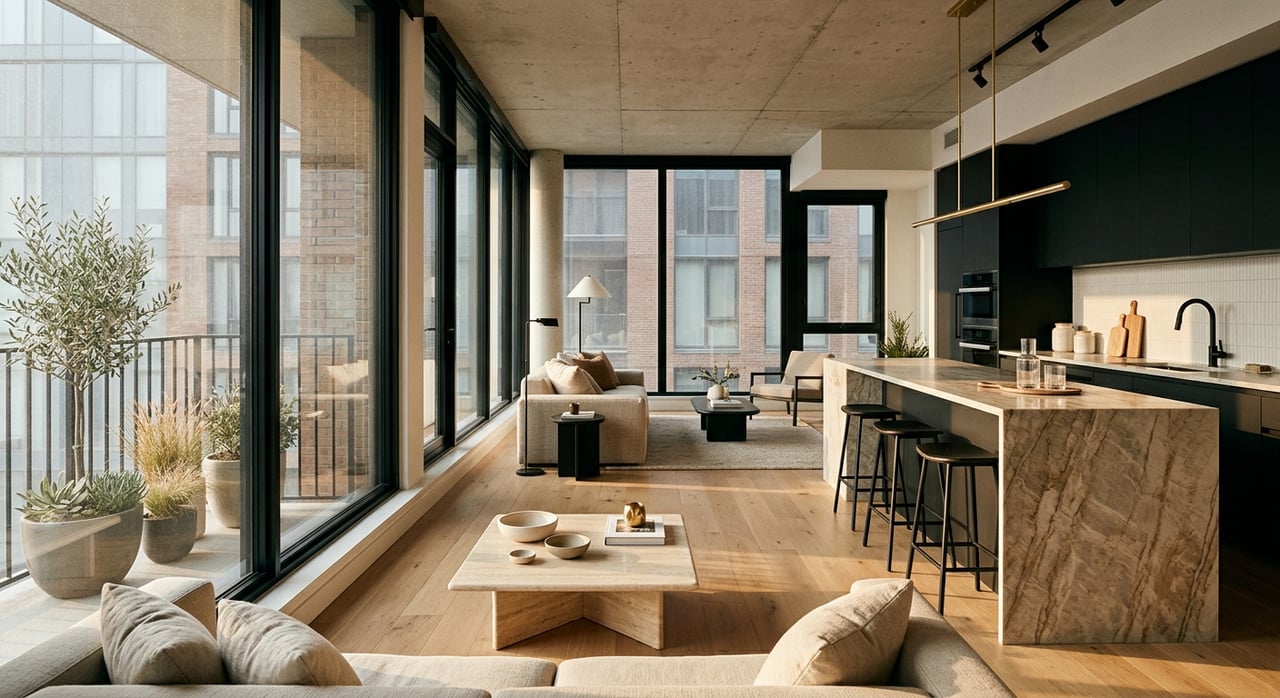
A downtown condo often gives you a lock-and-leave setup, shared amenities, and easier access to transit and daily destinations. A central home typically gives you more interior space, more private outdoor space, and fewer association rules, but it also puts more maintenance directly on your plate.
That distinction matters because the monthly cost is only part of the story. Your time, your routines, and how hands-on you want to be with your property matter just as much.
Compare the Price Landscape
Austin’s close-in neighborhoods all sit above the citywide median, but the gap between areas is meaningful. In February 2026, the Austin citywide median sale price was $522,500, while Downtown Austin was $740,000, Clarksville was $760,000, and Zilker reached $1,037,500, according to Redfin’s Austin housing market data.
Bryker Woods is a bit trickier to summarize with one neat number. Redfin showed only one February 2026 sale there at $2,967,500, while Zillow’s average home value estimate was $1,182,070 as of February 28, 2026. In plain English, that means Bryker Woods data can be useful directionally, but not as a fixed benchmark for what every home will do.
Days on market also tell part of the story. Recent figures showed about 100 days in Downtown, 107 in Zilker, 90 in Clarksville, and 68 in Bryker Woods. For smaller-sample neighborhoods like Clarksville and Bryker Woods, those numbers can swing sharply, so it is smartest to read them as signals, not gospel.
Why a Downtown Condo Appeals
Downtown Austin is the most vertical and transit-connected option in this group. The city describes Congress Avenue as the central spine of downtown, and CapMetro’s Downtown Station connects rail riders to buses, bikeshare, scooters, and bicycle trails.
The city’s transportation planning also emphasizes sidewalks, bike routes, and safer walking and biking connections through its Complete Streets and Urban Trails programs. If you want to be in the middle of movement, energy, and easy access, downtown is built for that.
A condo often fits buyers who want:
- A lock-and-leave home base
- Shared building amenities
- Less private outdoor maintenance
- A smaller footprint with efficient use of space
- Easier access to transit and downtown destinations
A current Seaholm example helps make that tangible. One listed condo offered 690 square feet, a private balcony, one garage space, and a $613 monthly association fee that included insurance, maintenance grounds, and trash. The building also offered amenities such as concierge, a fitness center, pool, dog park, and bike storage, according to this current listing example.
That setup is not for everyone, but for some buyers it is exactly the point. You trade a larger private footprint for simplicity, shared services, and a location that lets you spend less time managing a property.
Why a Central Home Appeals
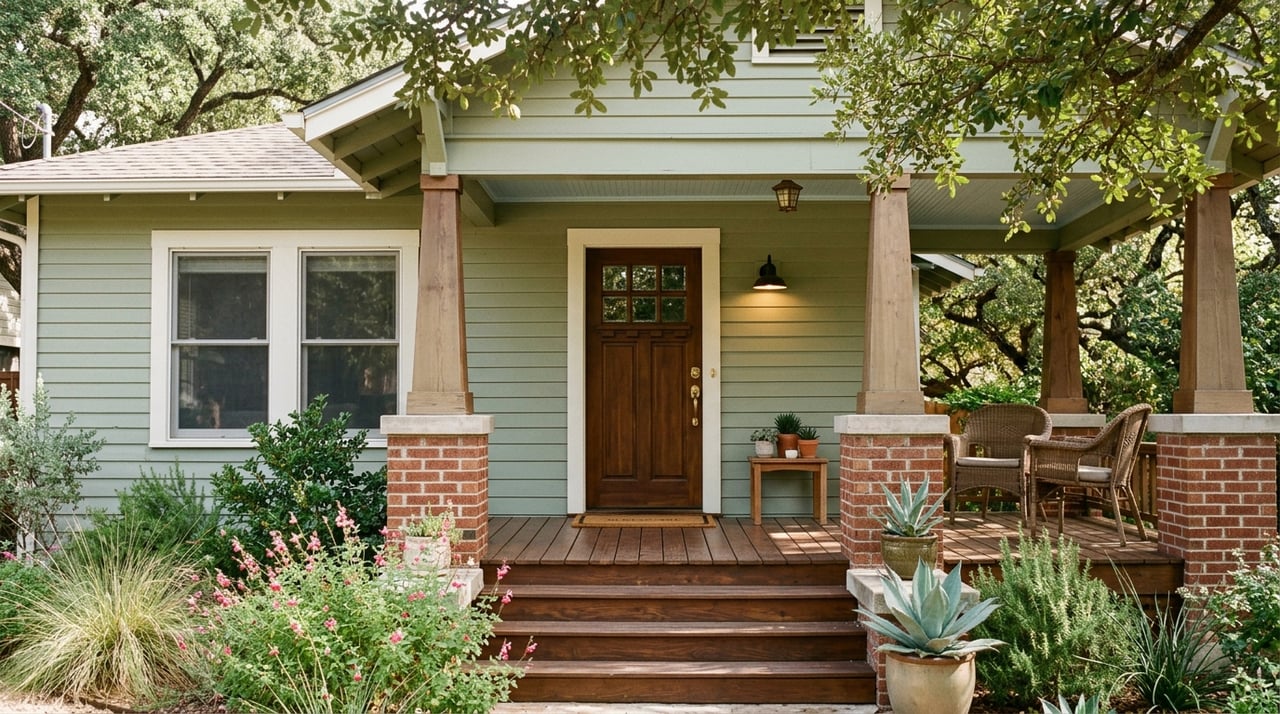
If your idea of home includes a yard, a garage, extra rooms, or a little more breathing room, a central house may be the better fit. In neighborhoods like Zilker, Clarksville, and Bryker Woods, the feel shifts from vertical and shared to more residential and independent.
That usually means more private space than you would get in a downtown condo. It can also mean more flexibility in how you use the home, whether that is for work, guests, hobbies, storage, or simply not hearing your neighbors through a shared wall.
Recent listing examples show the difference clearly. A Clarksville home featured nearly 4,000 square feet, a two-car garage, a large lot, and no HOA, while other close-in homes in Zilker and Bryker Woods offered patios, landscaped lots, greenbelt views, garages, pools, and main-floor primary suites, based on current home examples in central neighborhoods.
That is the house argument in one sentence: more space, more privacy, more responsibility.
Neighborhood Feel Matters More Than You Think
Even if your budget works for both property types, the surrounding neighborhood can make the decision much easier.
Downtown for access and amenities
Downtown Austin works best if you want an urban routine with high connectivity. The area is shaped around movement, mixed uses, and shared amenities, with greenspace and cultural energy layered in. If you want to step outside and have transit connections, bike routes, and downtown destinations close at hand, this is the clearest match.
Zilker for parks and events
If your ideal Central Austin life revolves around outdoor access, Zilker offers a very different kind of convenience. Zilker Metropolitan Park spans more than 350 acres and includes Barton Springs Pool, Zilker Botanical Garden, the hike-and-bike trail, Zilker Hillside Theater, and major city events such as ACL and Trail of Lights.
That makes Zilker especially appealing if you want a central home base with strong access to green space and big public amenities. You are still close in, but the daily feel is much more park-centered than tower-centered.
Clarksville for history and close-in living
Clarksville offers historic character and a quieter residential street pattern while still keeping you close to downtown. The City of Austin notes that Clarksville is one of the first freedom colonies established west of the Mississippi, and the broader Old West Austin area is described as a traditional mixed-use residential neighborhood with pedestrian traffic, neighborhood businesses, parks, and older buildings through the city’s Clarksville and Old West Austin planning resources.
If you want close-in convenience without a fully downtown feel, Clarksville often lands in the sweet spot. It can also offer some lower-maintenance condo options mixed into a more residential setting.
Bryker Woods for a residential feel
Bryker Woods leans even more clearly residential. Its history traces back to 1886 plats, and the city’s central-west neighborhood plan describes it as a neighborhood of one- to two-story single-family residences with duplexes sprinkled in.
If your priority is a tree-lined, older neighborhood feel with strong central access, Bryker Woods is often worth a close look. It tends to attract buyers who want central location without giving up the sense of living in a true neighborhood.
Understand the Ownership Costs
A downtown condo can look simpler on paper, but you still need to read the fee structure carefully. Condo ownership often shifts more upkeep into the monthly HOA fee, which can make budgeting more predictable.
For example, the Seaholm condo mentioned earlier had a $613 monthly HOA fee covering insurance, maintenance grounds, and trash. A Clarksville condo example showed a $310 monthly HOA that covered common area maintenance, insurance, structure maintenance, parking, security, and trash, based on current listing details.
There is one practical wrinkle to watch for: parking may not always be bundled into the HOA. Some buildings charge separately, so you will want to verify exactly what is included before you assume the monthly number tells the whole story.
With a single-family home, the math usually flips. You may have no HOA dues at all, but you are also the one handling the yard, the roof, the fence, the deck, and the inevitable repair that seems to show up right after move-in because houses enjoy a bit of drama.
Do Not Forget Property Taxes and Exemptions
Texas does not have a state property tax, so rates are set locally. The City of Austin’s FY26 taxpayer impact statement projected a city property tax bill of $2,272.20 for the median non-senior homestead after the 20% general homestead exemption, and Travis County states that applying for the homestead exemption is free through the appropriate process, as outlined by the Texas Comptroller’s property tax information.
That does not settle your total cost on its own, but it is an important reminder to look beyond list price. Whether you buy a condo or a house, you want a realistic picture of monthly ownership costs before you commit.
How to Choose the Right Austin Base
If you are deciding between a downtown condo and a central home, these questions usually cut through the noise:
- Do you want less maintenance or more private space?
- Do you prefer shared amenities or greater independence?
- Is your ideal day built around transit and downtown access or yards, patios, and neighborhood streets?
- Would you rather budget around a higher fixed monthly fee or take on more variable repair costs?
- Do you want your home to feel more like a base camp or a long-term personal retreat?
In simple terms:
- Choose a downtown condo if you want lock-and-leave convenience, shared amenities, and strong access to transit and downtown living.
- Choose a central home if you want more room, more privacy, and more control over your property.
- Choose Zilker if parks, Barton Springs, and event access are high on your list.
- Choose Clarksville if you want close-in convenience with historic character and a quieter residential pattern.
- Choose Bryker Woods if you want a more residential, tree-lined setting with central access.
Straight Talk on the Best Fit
There is no universal winner here, only the best match for how you actually live. If your life runs smoother with shared services, lower day-to-day upkeep, and an easy lock-and-leave setup, a downtown condo may be the smart move. If you want room to spread out, a yard, and more say over your space, a central home likely fits better.
That is where local guidance matters. In Central Austin, small differences in building fees, neighborhood feel, street pattern, and resale context can change the answer quickly. If you want straight talk and sharp preparation as you weigh your options, Gemma Willans can help you compare the details and find the Austin base that actually fits your life.
FAQs
Should I buy a downtown Austin condo or a central Austin house?
- If you want lock-and-leave convenience, shared amenities, and transit access, a downtown condo may fit better. If you want more space, a yard, and fewer association rules, a central house is often the stronger choice.
What is the median home price in Downtown Austin compared with Central Austin neighborhoods?
- In February 2026, Redfin reported a median sale price of $740,000 in Downtown Austin, $760,000 in Clarksville, and $1,037,500 in Zilker, compared with the Austin citywide median of $522,500.
Are HOA fees common for downtown Austin condos?
- Yes. Current examples show downtown condo HOA fees can cover items such as insurance, maintenance grounds, trash, and shared amenities, but you should confirm whether parking or other costs are billed separately.
Is Zilker a good choice for buyers who want outdoor access in Central Austin?
- Zilker stands out for direct access to Zilker Metropolitan Park, Barton Springs Pool, the hike-and-bike trail, and major city events, making it a strong option if you want a park-centered lifestyle.
What makes Clarksville and Bryker Woods different from Downtown Austin?
- Clarksville and Bryker Woods generally offer a more residential feel, with older homes, quieter street patterns, and more private space than a typical downtown condo environment.
Can I apply for a homestead exemption in Travis County after buying in Austin?
- Yes. Travis County states that applying for the homestead exemption is free, and it can help reduce your taxable value if the property qualifies as your homestead.