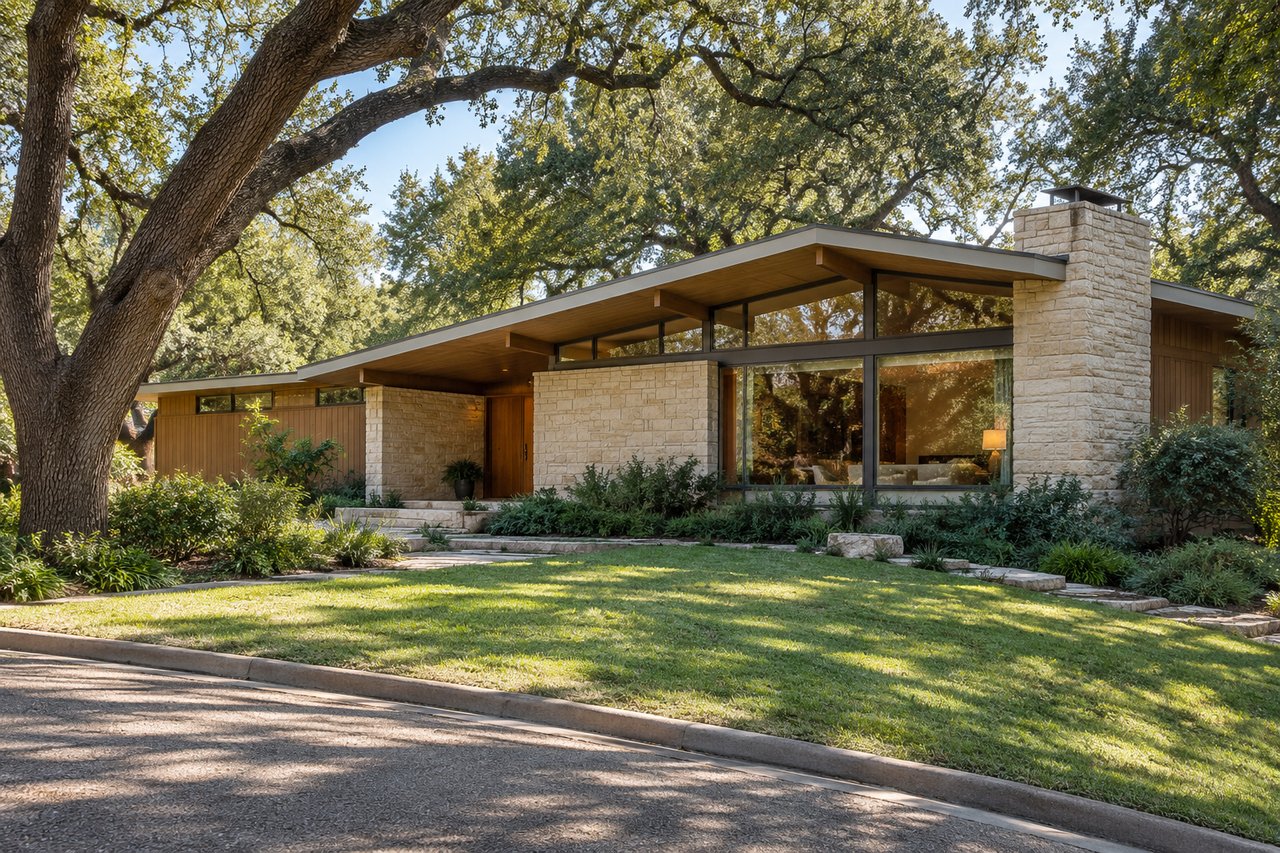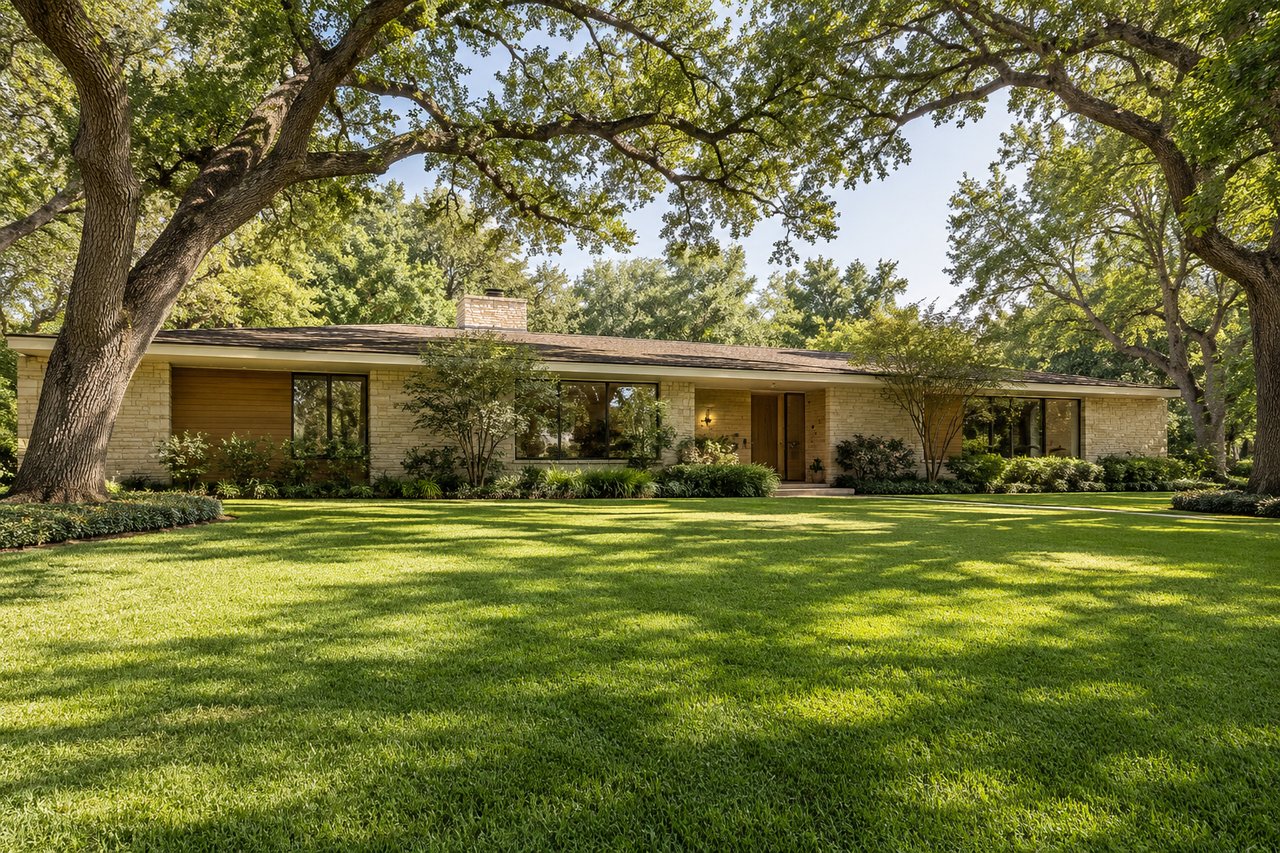
There's a moment in every Rosedale listing conversation where the seller says something like: "Should we redo the kitchen before we list?"
The answer is almost always no.
Not because the kitchen doesn't matter. It does. But because a $60,000 kitchen renovation in a neighborhood where the comps have a ceiling is one of the most expensive ways to not get your money back. Rosedale buyers aren't looking for a showroom. They're looking for a home that feels honest, well cared for, and ready to live in without a nasty surprise hiding behind the walls.
That distinction, between "impressive" and "trustworthy," is what most sellers get wrong. Here's how to get it right.
Fix the Things That Create Doubt
Buyers in this price range are sharp. They've seen enough houses to know when something feels off, even if they can't name exactly what it is. Deferred maintenance doesn't just look bad. It makes people nervous. And nervous buyers either walk away or negotiate hard.
I watch this play out at nearly every Rosedale showing. A buyer walks in already primed to be skeptical about condition, and once they spot one thing that looks neglected, a tired roof, peeling paint, damaged trim, a leaky tap, cracked grout, they start hunting for what else might be wrong. That's not paranoia. That's nearly half your buyer pool discounting your price before they've said a word to you. A buyer mentally cataloging repair costs while touring the living room has already marked your price down in their head. Your job is to remove every reason they have to worry before they walk through the door.
The Updates That Actually Pay Back
Rosedale bungalows don't need dramatic pre-sale overhauls. Contained, targeted updates almost always outperform expensive renovations on return. I've watched this pattern hold sale after sale: a new front door returns close to what it cost. A minor kitchen upgrade returns around 60 percent. A full bathroom renovation sits closer to 50 percent. The boring fixes are usually the smart ones.
A fresh coat of interior paint in a light, neutral palette does more work than almost any other single spend, making rooms feel larger, cleaner, and newer. Updated cabinet hardware, cleaner light fixtures, fresh caulk and grout, and a refreshed front door or entry set are small moves that collectively change the feeling of the house. They say someone paid attention here. That's what buyers respond to in Rosedale. Not flash. Attention.
For kitchens that feel dated, resist the urge to gut them. A deep clean, new hardware, better lighting, and a simple backsplash can make a tired kitchen feel current without the cost or timeline of a renovation. The buyer who wants Rosedale is already comfortable with a house that has some years on it. They just don't want to feel like they're inheriting someone else's deferred decisions.
Make Small Rooms Work Harder
Rosedale bungalows are compact. That's the charm. It's also the challenge when you're trying to sell one. In a 1,400 square foot home, visual clutter is the enemy. Every unnecessary piece of furniture, every personal photo, every overstuffed bookshelf makes the space feel smaller than it is. The goal isn't to strip the house of personality. It's to let buyers notice the scale, the light, and the layout without mentally tripping over your things.
Remove extra chairs, bulky storage pieces, excess countertop items, and rugs that visually chop up small rooms. Clear out closets, mudrooms, and utility areas so they look like they have capacity rather than overflow. Buyers open every door. What they find behind them matters. If the house feels tight even after decluttering, furniture may be the problem. A sofa proportional to a large living room can overwhelm a Rosedale scaled one. The house should feel easy to move through, not like a puzzle you have to handle.
Stage the Rooms That Sell the House
Staging isn't a luxury market exercise reserved for million dollar listings. In a compact bungalow where charm and livability are the actual selling points, it matters even more than it does in a 3,500 square foot house where scale already speaks for itself. Staging is what lets a buyer picture their own life in a room instead of just touring someone else's.
Focus on three rooms: the living room, the primary bedroom, and the kitchen. These are the spaces where buyers make emotional decisions. Keep furniture scaled to the room. Define each area clearly. Avoid over-accessorizing. A small bungalow isn't going to convince anyone it's a mansion. Don't try. Make it feel like a place someone wants to come home to.
Professional staging typically runs around $1,500. That's a reasonable investment for a home in this price range, and it often pays for itself in faster days on market and cleaner offers.
Curb Appeal Starts Working Before the Front Door Opens
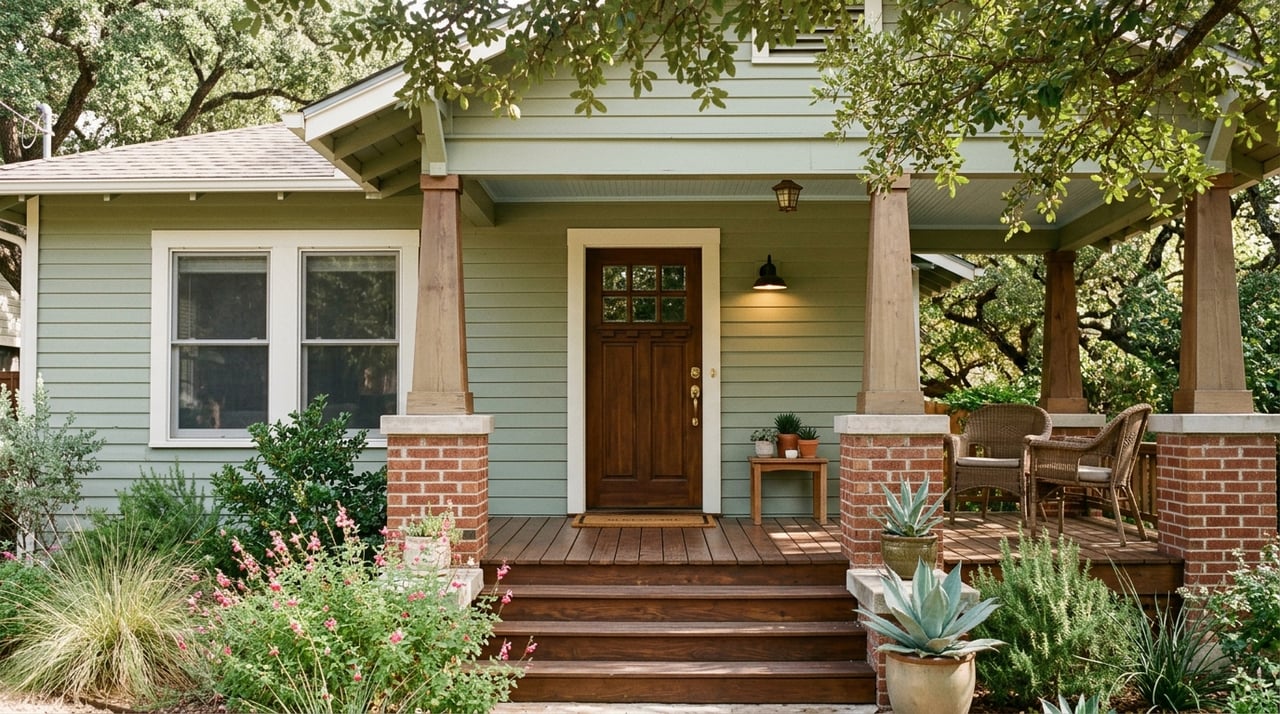
In Rosedale, the porch is the first room buyers experience. Mature trees, established landscaping, and a porch forward facade are part of the neighborhood's identity. Your exterior should feel tidy and welcoming, not overworked.
Nearly every agent I know pushes curb appeal before listing for the same reason: it's the first thirty seconds of the showing, and you never get them back. And yet the number of sellers who spend money on the kitchen and then leave dead plants on the porch is surprising. Trim hedges and low branches. Refresh mulch. Clear debris. Clean the porch and front steps. Make sure the front door looks crisp. Keep walkways open. For a bungalow with a narrow driveway and a modest front yard, neatness counts more than ambition.
The Right Sequence Matters
One of the most common mistakes I see is sellers doing things out of order. Photographs taken before staging. Staging done before painting. Cleaning done before repairs. Each step out of sequence weakens the result.
The order that works: complete repairs first, then paint and refresh finishes, then deep clean the entire house, then declutter and simplify, then stage key spaces, then photograph and film, then launch the listing. Each step builds on the one before it. Skip a step or reverse two and the listing won't show at its best.
Photographs are especially important to get right. Buyers see the home online first. The listing photos are your first showing. If the house wasn't fully prepped when the photographer came, those images are working against you from day one.
Price Like the Market Is Paying Attention
Preparation matters. But it doesn't replace pricing discipline.
In February 2026, the City of Austin recorded 664 residential home sales, a median price of $540,000, and 6.2 months of inventory. The average close to list ratio was 92.1 percent. Buyers are active, but they have options. Overpriced homes sit. Well presented, realistically priced homes attract attention quickly.
On timing: if your schedule is flexible, late March through the end of July has historically been Austin's strongest listing window. But timing only helps if the house is ready. A polished launch beats a rushed one every time.
In Rosedale, the comps are specific. Pull recent sales for renovated bungalows on comparable lots. Know where the ceiling is. Price to attract the right buyers and let the preparation do the rest of the work. The sellers who do best are the ones who combine strong prep with honest pricing. The ones who struggle are the ones who use prep as an excuse to overprice.
The Short Version
Your Rosedale bungalow doesn't need to be perfect. It needs to feel cared for. Fix what creates doubt. Refresh what feels tired. Declutter ruthlessly. Stage the three rooms that matter. Make the porch look inviting. Do it all in the right order. Price honestly. Photograph only when the house is fully ready.
A well-prepared bungalow in Rosedale doesn't pretend to be something it isn't. It just shows up as the best version of what it is. That's usually enough.
Thinking about selling in Rosedale and want a plan that's specific to your home? I can help you figure out what to fix, what to skip, and how to bring it to market with confidence. → gemmawillans.com/sellers