For reasons I will never fully understand, the moment people decide to sell, they feel compelled to overhaul the entire house. New floors, new counters, new landscaping. Sometimes even knocking through a wall.
Some of that can be worthwhile. But only when it's strategic.
The Two Extremes That Both Fail
Buyers often look for perfection, even if they're not willing to pay for it. So the aim usually isn't perfection. It's presenting the home in a way that makes sense for the market.
On the flip side, some sellers won't lift a finger and still expect top dollar. In this market, neither extreme works. The sweet spot is thoughtful improvements, not panic-renovations or total neglect.
The Mistakes I See Most Often
Renovating out of panic. Some upgrades pay off. Others change nothing except your bank balance. A full kitchen remodel before listing rarely returns what it costs. A fresh coat of paint, updated hardware, and professional staging almost always do. Knowing the difference is the entire game.
Choosing highly personal design decisions right before listing. If you've always dreamt of an aubergine dining room, lovely. Save it for the next house. Right before a sale, you want the broadest possible appeal. That bold tile you love? Someone else is mentally calculating what it costs to rip out.
Starting major projects you can't finish before launch. Half-done anything reads as: "We ran out of time, money, or both." Buyers notice unfinished work faster than finished work. It signals that the house might have other deferred issues they can't see.
Last-minute DIY fixes. Unless you've got the skillset of Nick Knowles, a botched repair is worse than no repair at all. Buyers can tell. Inspectors definitely can. And a poorly executed fix raises questions about what else was done on the cheap.
Where the Money Actually Moves the Needle
The upgrades that consistently pay off are the ones buyers feel rather than analyze. Fresh, neutral paint. Clean landscaping. A front door that doesn't look tired. Light fixtures that don't scream 2004. Professional cleaning so thorough the house smells like nothing.
Staging is the other consistent performer. Not because buyers can't imagine furniture in an empty room. Because they can't imagine the right furniture. A well-staged home photographs better, tours better, and sells faster. The cost is almost always justified.
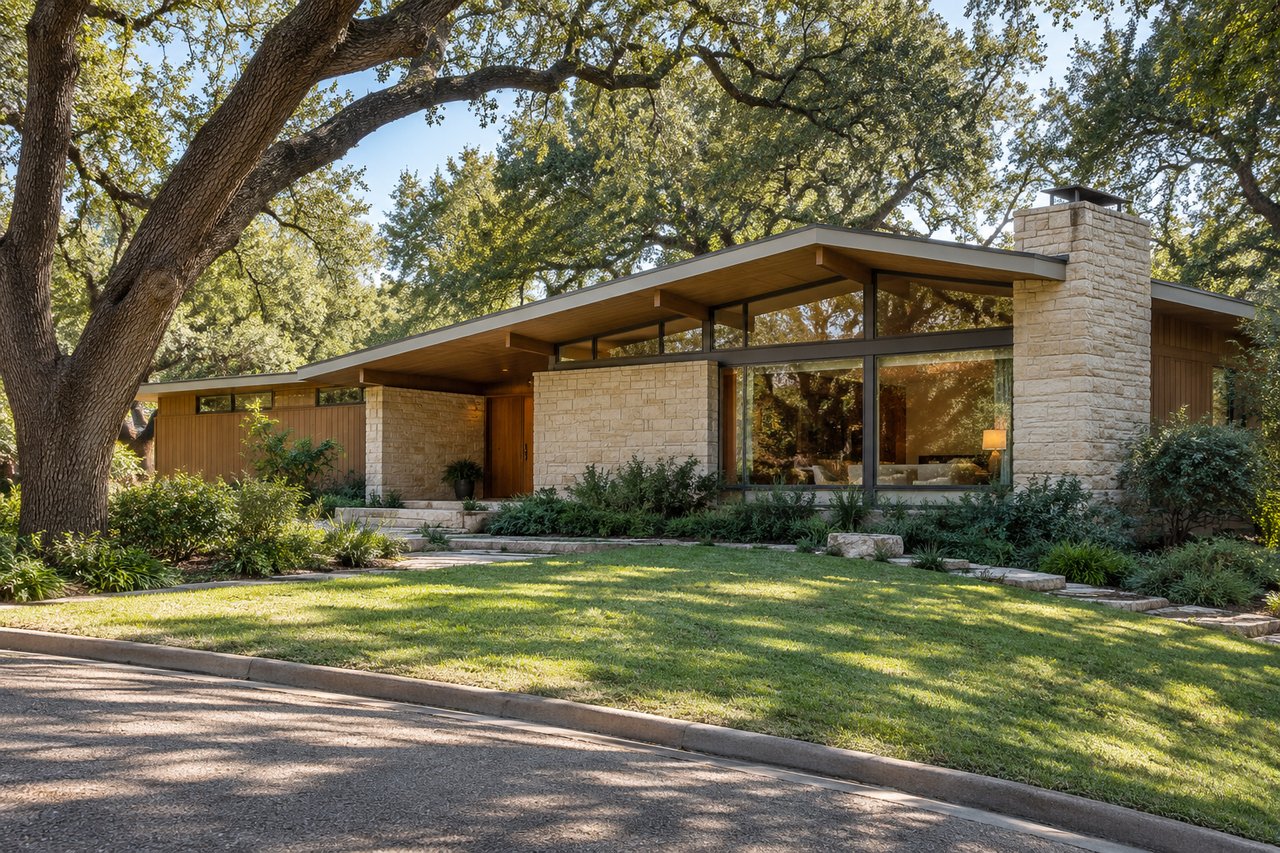
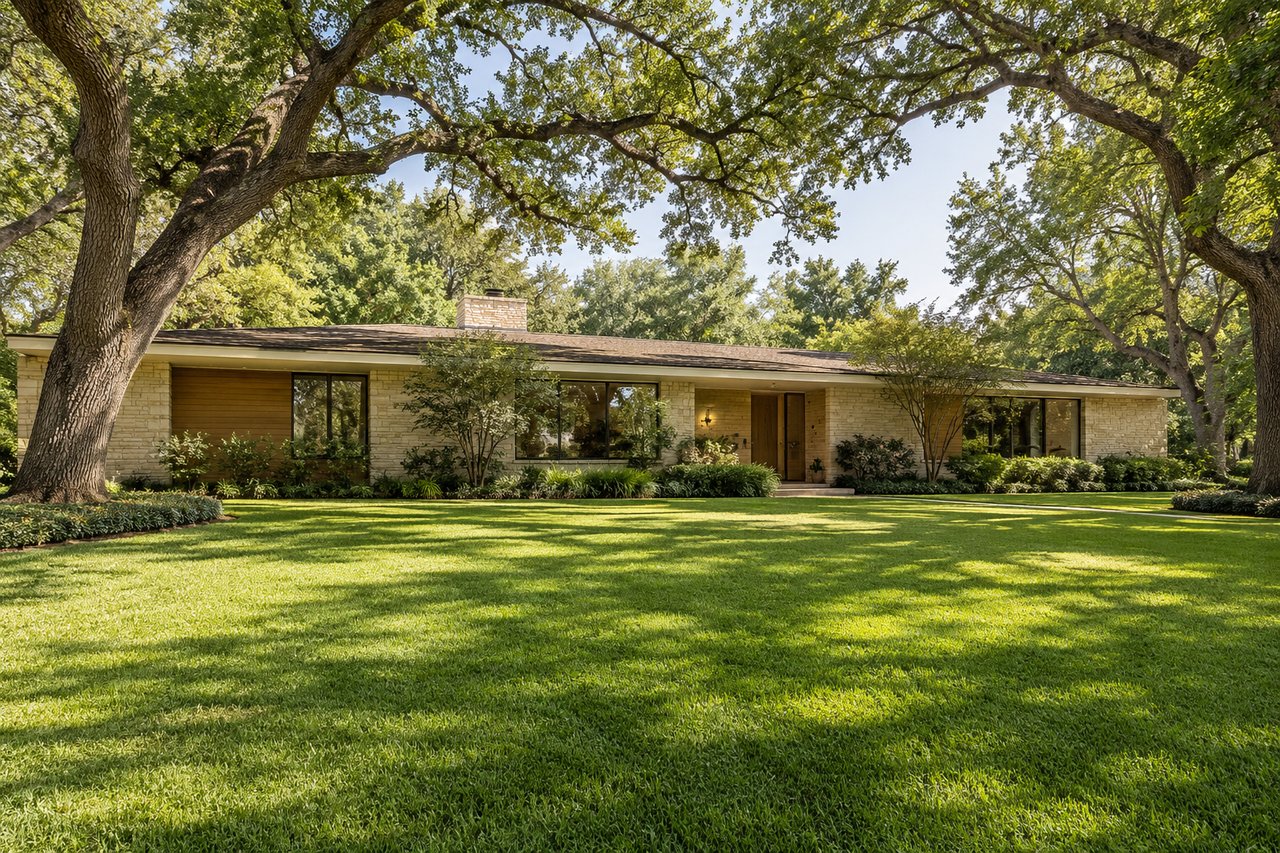
The other area worth investing in is the first impression. Buyers form an opinion before they open the front door. The driveway, the landscaping, the entry. If those feel neglected, the buyer walks in skeptical. If they feel cared for, the buyer walks in open. That shift in mindset affects how they see every room that follows.
The Principle
The homes that perform best aren't the ones with the most upgrades. They're the ones with the right upgrades, presented well.
That distinction saves sellers thousands and weeks of unnecessary stress. It also sits inside a bigger number, and the whole of that number is laid out in what it actually costs to sell a luxury home in Austin. The goal is to invest where it moves the needle and leave everything else alone. Every pound spent should serve one purpose: making the buyer feel that this home has been cared for by someone who paid attention.
A good agent will walk through your home and tell you exactly what's worth doing and what isn't, before you spend a penny. That conversation is worth having early. Not after you've already committed to the marble countertops. Not after the contractor has started demolition. Before. Because the best renovation strategy before a sale is almost always less than you think, done better than you'd expect, and finished before the listing goes live.
Thinking about listing? Start with a strategy conversation, not a trip to the hardware shop. → gemmawillans.com/sellers