People lump these two neighborhoods together because they are both West Austin, both close in, and both expensive. But living in Clarksville and living in Tarrytown are genuinely different experiences, and the distinction matters more than most buyers expect.
The short version: Clarksville feels like downtown's historic next-door neighbor. Tarrytown feels like a proper residential neighborhood that happens to be ten minutes from everything.
What Clarksville Actually Feels Like
Clarksville is small. Roughly nine square blocks bounded by 10th Street, West Lynn, Waterston Avenue, and the MoPac railroad tracks. That tight footprint is exactly why it feels so intimate — you can walk the whole neighborhood in twenty minutes and still feel like you have covered real ground.
It also carries real history. Clarksville began as a freedmen's community founded by Charles Clark in 1871, and that story is still part of the neighborhood's identity. The preserved Haskell House is one of the more visible reminders, but the character of the streets themselves — narrow, layered, slightly unpredictable — reflects that history too.
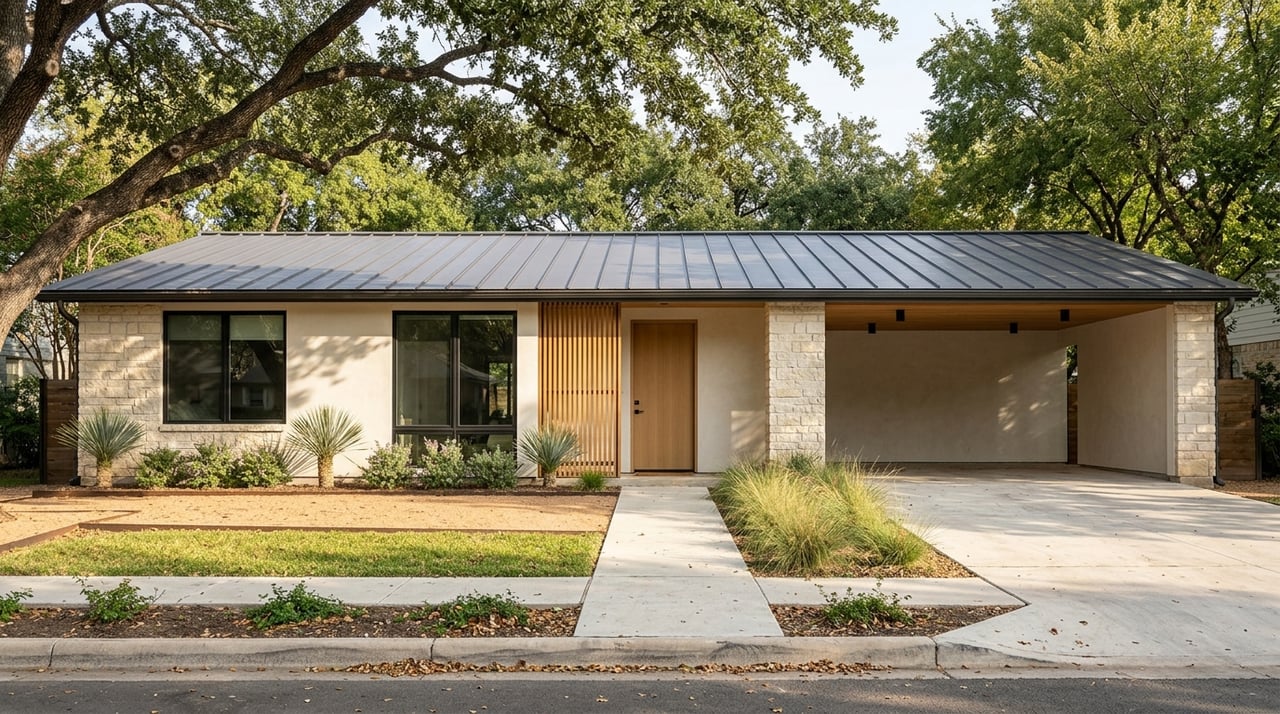
In practical terms, Clarksville is more urban than most people expect from West Austin. Historic bungalows, Victorians, modern infill, condos, townhomes, and modest apartment buildings can all show up within a few blocks of each other. One street feels like 1920. The next feels like 2024. If architectural contrast bothers you, this is not your neighborhood. If it energizes you, it is exactly your neighborhood.
What Tarrytown Actually Feels Like
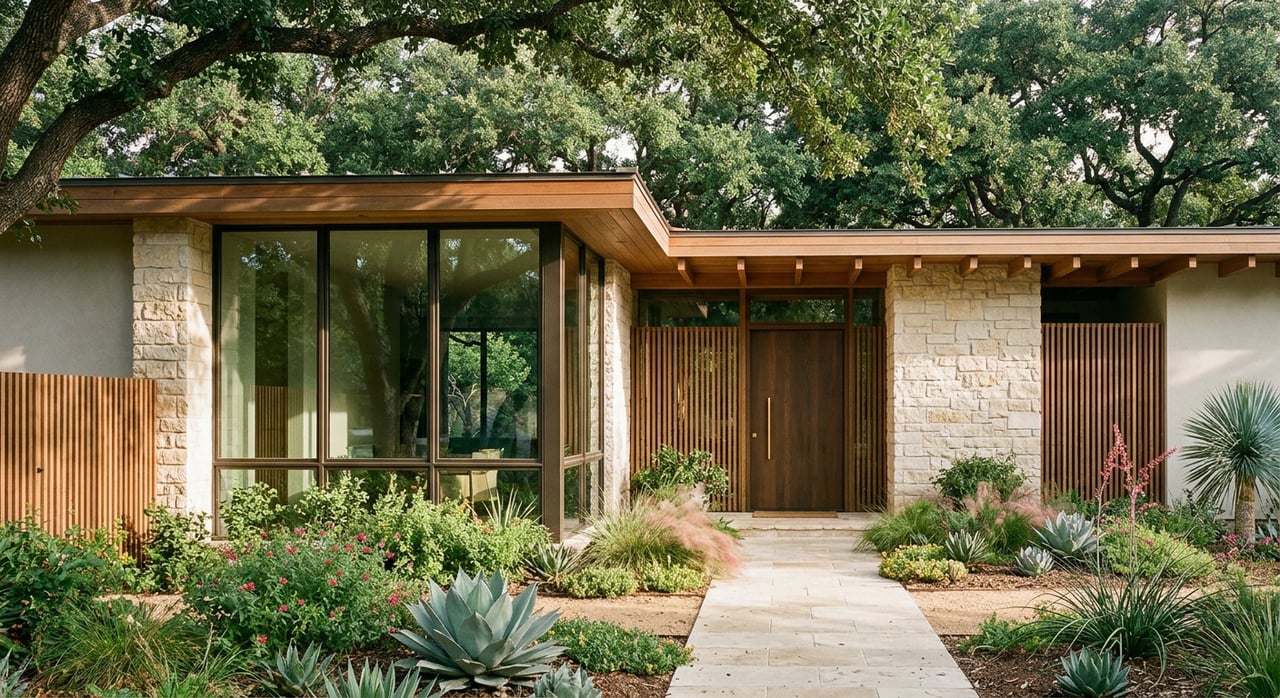
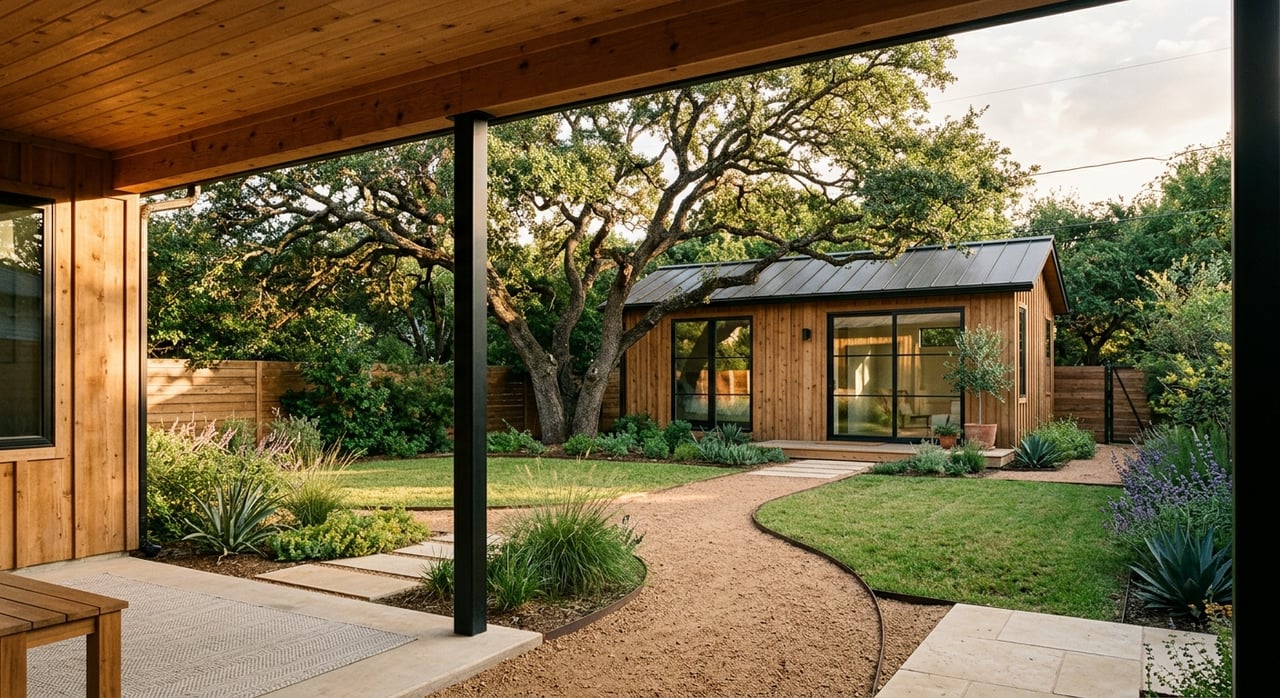
Tarrytown has a completely different energy. It sits between Lake Austin and MoPac, west of UT and downtown, and it reads as what most people picture when they say "established Austin neighborhood." Large trees, lawns, older homes, estates, and bungalows spread across a mix of traditional grid streets and winding roads shaped by the topography.
The City of Austin's neighborhood plan describes narrow streets, sidewalks, tree canopy, and a quiet, off-the-beaten-path feel. That is accurate. Tarrytown is calm in a way that Clarksville is not trying to be. It is still central, still close to everything, but the daily pace is noticeably more settled.
One thing worth knowing: some newer homes in Tarrytown are significantly larger than the properties around them. The city's plan specifically notes that these can feel out of scale with the surrounding streetscape. So while Tarrytown is associated with classic architecture and established character, it is not frozen in time. The visual tension between old and new exists here too — it just shows up differently than it does in Clarksville.
The Streets Tell the Story
This is where the two neighborhoods diverge most clearly, and it is the thing that is hardest to capture in listing photos.
Clarksville's streets are compact. The blocks are short, the buildings are close together, and the transitions between old and new are visible and frequent. It feels active just by nature of its density. If you like walking out your front door and feeling like you are already somewhere, Clarksville delivers that.
Tarrytown's streets are softer. The canopy is heavier, the lots are wider, and the overall feeling is more spacious even where the roads themselves are narrow. If Clarksville reads as textured and energetic, Tarrytown reads as shaded and steady.
Neither is better. They are just different rhythms, and you will know within about fifteen minutes of driving through each one which rhythm suits you.
Housing and Architecture
Clarksville's housing mix is unusually broad for its size. Historic bungalows sit near modern builds. Condos and townhomes share blocks with single-family homes. For a neighborhood that covers nine square blocks, the variety is remarkable. Buyers who want options within a tight footprint tend to find what they need here.
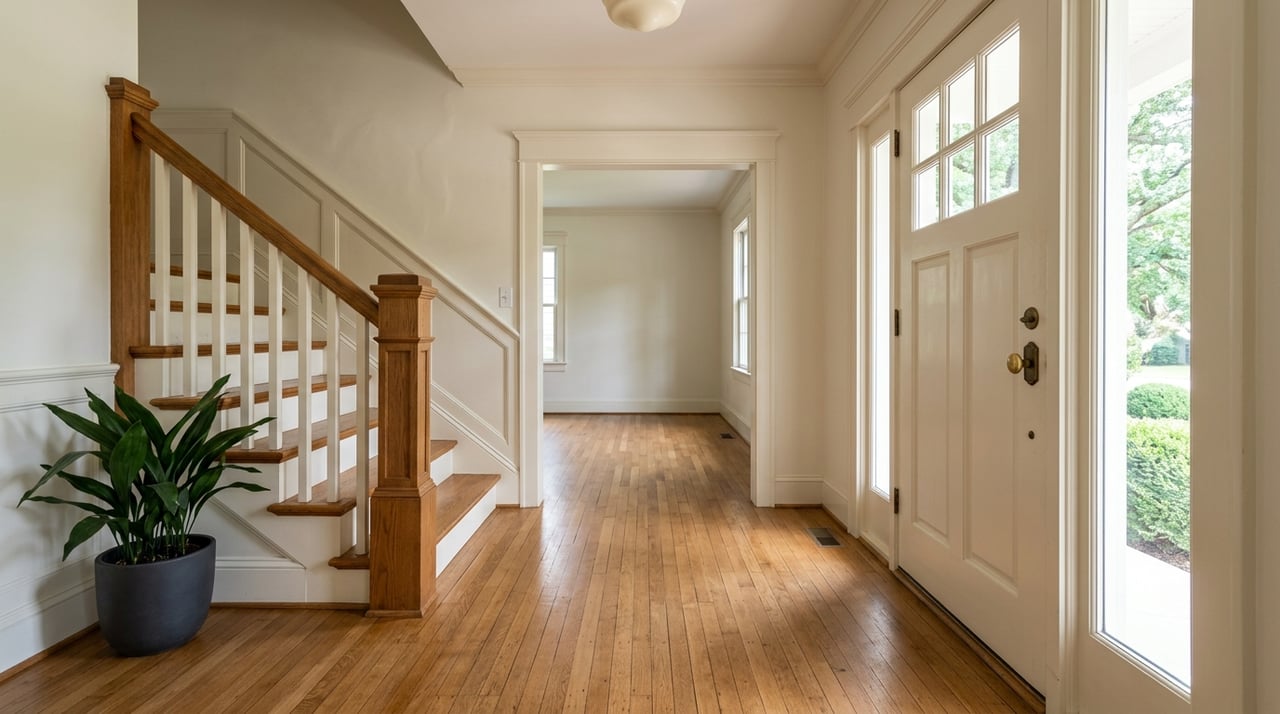
Tarrytown skews more estate-oriented. The homes are generally larger, the lots are more generous, and the architectural range runs from Victorian cottage influences to Mediterranean, Spanish Colonial Revival, Colonial Revival, and bungalow styles. It feels more cohesive than Clarksville, though the newer, larger replacement homes introduce their own kind of contrast.
Daily Life
Clarksville's routine is tied to the downtown edge. Pease Park, the Shoal Creek Greenbelt, and neighborhood spots like the Clarksville Splash Pad anchor the outdoor side. Restaurants, coffee, and errands are close without needing a car for most of them. If your ideal setup is a historic neighborhood where city convenience is built into the daily pattern, Clarksville fits.
Tarrytown connects more to Lake Austin and the parks on the west side. Mayfield Park, Westenfield Park, Reed Park, and Tarrytown Neighborhood Park are the local anchors. The neighborhood also has its own shopping, services, and dining clustered in a few locations, which gives it a self-contained feel that goes beyond just being a residential district.
So Which One?
Choose Clarksville if you want a compact, walkable neighborhood with visible history, architectural variety, and a tighter connection to downtown. It suits people who like a neighborhood that feels layered and slightly unpredictable.
Choose Tarrytown if you want more space, more canopy, a calmer residential pace, and stronger access to Lake Austin. It suits people who want to be central without feeling like they live in the middle of anything.
The real decision is less about prestige or price point and more about rhythm. Clarksville has a city-close pulse. Tarrytown has a leafier, quieter cadence. Think about where your daily life feels most natural, not which one sounds better on paper.
Weighing West Austin neighborhoods? I can walk you through the differences block by block. → gemmawillans.com/about
FAQs
What is the main difference between Clarksville and Tarrytown in Austin?
Clarksville feels more compact, historic, and connected to downtown. Tarrytown feels more residential, tree-covered, and connected to Lake Austin. Both are close in, but the daily experience is noticeably different.
Is Clarksville or Tarrytown better for buyers who want historic character?
Both have historic character, but it shows up differently. Clarksville has a more layered mix of old and new on tight blocks. Tarrytown feels more established and estate-oriented with a broader, more cohesive streetscape.
Which neighborhood is quieter, Clarksville or Tarrytown?
Tarrytown. The city's neighborhood plan and the Tarrytown Neighborhood Association both describe it as quieter and more off-the-beaten-path than Clarksville's tighter, downtown-adjacent setting.
Does Tarrytown have better access to parks and Lake Austin?
Tarrytown has a stronger everyday connection to Lake Austin and several neighborhood parks. Clarksville's outdoor life is more tied to Pease Park and the Shoal Creek Greenbelt.
Is Clarksville more urban than Tarrytown?
Yes. Its smaller scale, narrow streets, and broad housing mix give it a more urban and textured feel than Tarrytown's wider, shadier residential pattern.
How do you decide between Clarksville and Tarrytown?
Match the neighborhood to your preferred daily rhythm. Clarksville for compact, city-close energy. Tarrytown for a calmer, leafier, more residential feel. Drive both on a weekday afternoon and you will likely know.