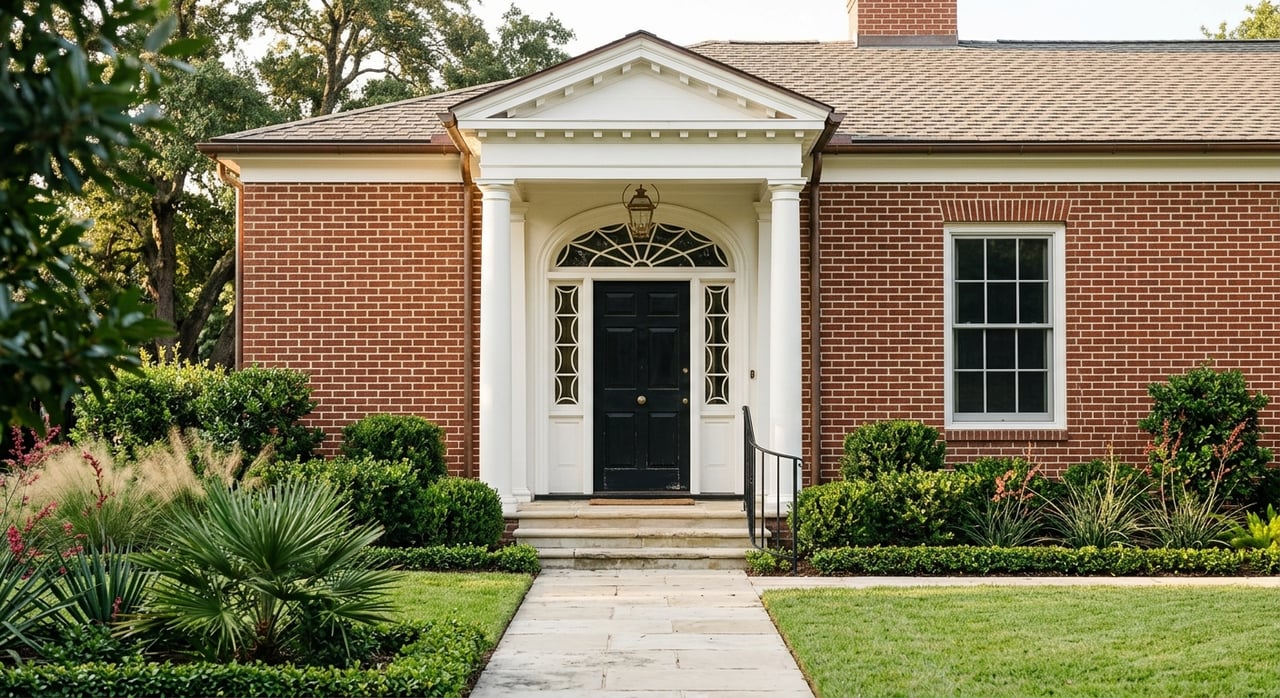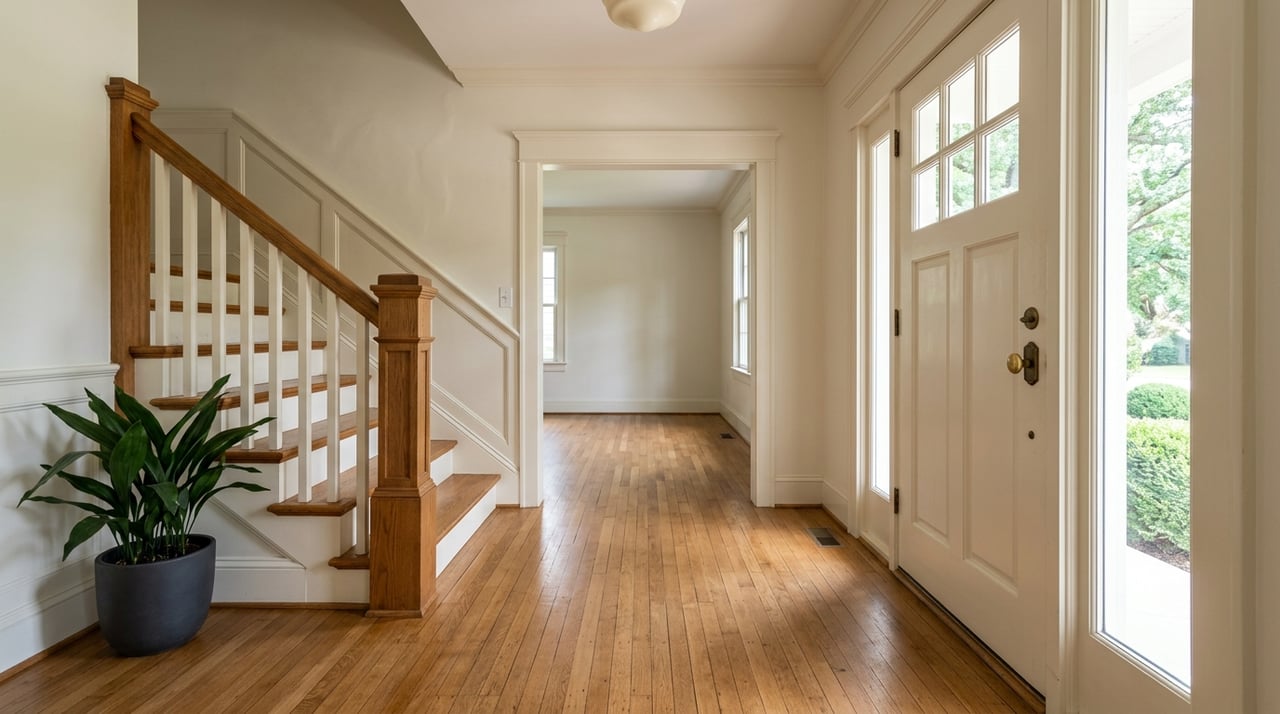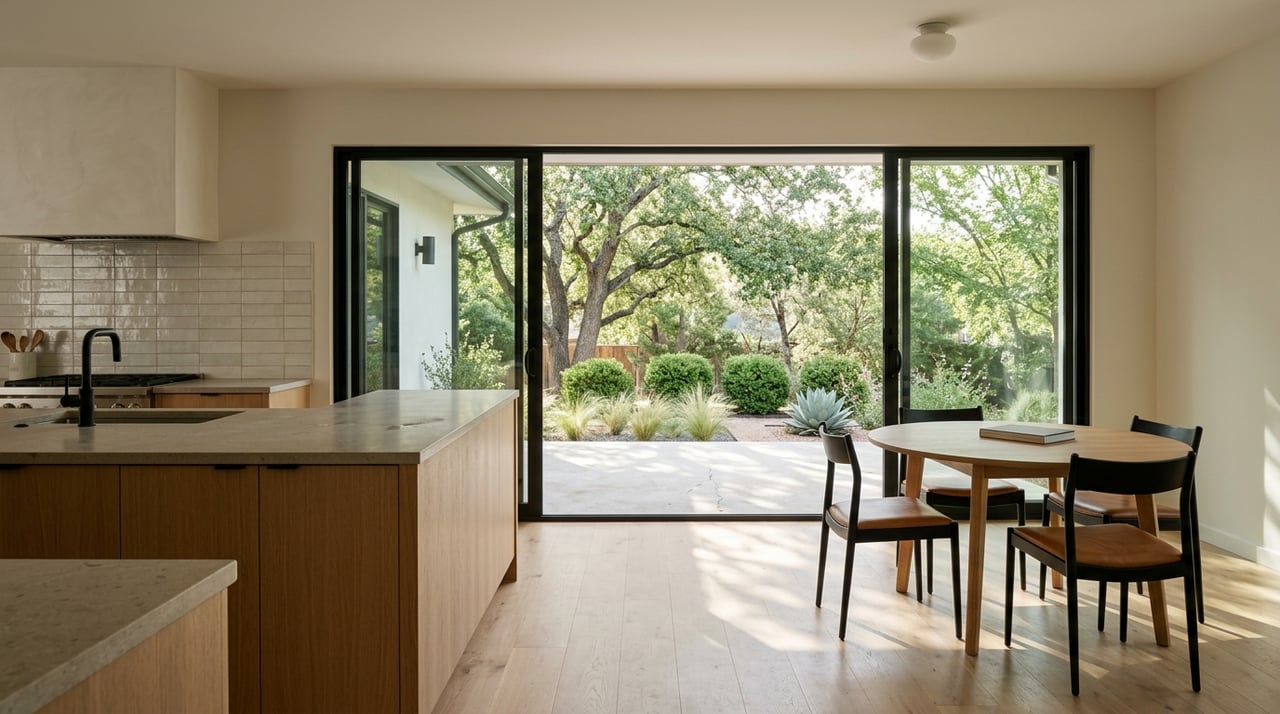
Bryker Woods gets your attention quickly if what you actually want is central Austin convenience without losing the feeling of a real neighborhood. Not the address for its own sake. The mature trees, the older homes, the coffee shop close enough to walk to, the sense that the area grew up slowly instead of arriving all at once overnight.
What Bryker Woods Actually Feels Like
The neighborhood has a strong sense of itself, and that shows up in daily life more than you'd expect. The neighborhood association, running since 1983, spends its time on land use, traffic, tree canopy, and pedestrian friendly streets, the unglamorous stuff that actually determines what a place feels like to live in day to day. Bryker Woods sits inside the Old West Austin historic context, built out through subdivisions platted from the 1920s through the 1950s, and it's part of the Old West Austin National Register Historic District, accepted back in 2003.
What that means on the ground: mature trees, established streets, and a neighborhood that reads as having grown into itself rather than being dropped in fully formed.
Mornings Start at Kerbey Lane Village
For a lot of residents, the actual hub of daily life is Kerbey Lane Village, a cluster of Victorian cottages holding gifts, home and garden shops, jewelry, clothing, a boutique hair salon, law offices, and two food anchors worth knowing by name. Tiny's Milk & Cookies runs as a walk-up bakery and coffee counter, open daily from 7am to 9pm, which gives the neighborhood both an early start and a genuinely useful late option. Tiny Boxwoods rounds it out with breakfast and lunch Tuesday through Friday, dinner Tuesday through Saturday, and weekend brunch.
Add in Kerbey Lane Cafe at 38th and Kerbey, running since 1980 out of a converted historic bungalow with all-day breakfast and dinner, and you've got a neighborhood where weekday mornings run practical and weekends lean naturally toward brunch. None of this requires planning your whole day around a drive.
Errands Without Leaving the Neighborhood
Bryker Woods is residential, but it's not isolated. Kerbey Lane Village handles the small stuff, coffee, a quick shop, a service appointment, and the Whole Foods on North Lamar covers the actual grocery run without much of a detour. That combination is a big part of why the neighborhood works equally well whether you're renting for a year or buying for the next twenty. You get the neighborhood feel without losing the practical destinations that make ordinary life easier.
Getting Around Without Always Driving
This is where Bryker Woods quietly outperforms a lot of central Austin. CapMetro's stop at 35th and Kerbey is served by Route 30 Northcross and Route 335 Exposition, which gives you a real option for the trips that don't need a car at all. And Shoal Creek Trail runs 9.5 miles from Lady Bird Lake up to US 183, one of the city's oldest trail systems, with a protected on-street bikeway and sidewalk carrying the alignment north of 38th Street. If walking or biking is part of how you actually want to live, that access shapes your routine more than any single amenity on a listing sheet.
Evenings and Weekends
Bryker Woods doesn't read as a nightlife district, and that's exactly the point. Evenings stay close to home, Tiny Boxwoods handling dinner most nights of the week, Kerbey Lane Cafe covering the rest. You can keep things simple without ever feeling like you have to leave the neighborhood just to eat well. Weekends run more social around brunch and coffee, and once the commercial node quiets down in the evening, the residential streets settle back into something genuinely calm.
The Neighborhood Actually Organizes Itself
Bryker Woods has real civic culture, which isn't something every close-in Austin neighborhood can claim honestly. The association runs a Fourth of July parade, Neighborhood Night Out events, and regular board and annual meetings. For some buyers that's just background noise. For others, it's the whole reason the neighborhood feels easy to settle into, especially if you're relocating from somewhere without that kind of built-in structure.
What to Actually Know Before You Commit
If you're buying, the draw is usually character and location, but it comes with homework. The neighborhood association advises reviewing any demolition, construction, or modification restrictions before you get attached to future plans for the property. That's not a red flag. It's just the cost of a preservation-minded neighborhood, and it's worth knowing going in rather than discovering after closing.
If you're renting, the appeal is more straightforward: close access to coffee, casual dining, trail connections, and transit, all inside a setting that still feels residential rather than commercial. Either way, Bryker Woods suits people who actually care about the texture of daily life, not just the square footage. Mature trees, local coffee, nearby trails, and practical access to the rest of the city, in a neighborhood that grew into what it is rather than being built to look that way overnight.
Exploring Bryker Woods and want a clearer read on whether it's the right fit for buying or renting? I can help you sort that out. → gemmawillans.com/buyers